Travel is the best way to broaden your horizons and to see and understand different lifestyles and different ways of looking at life.
It changes your life. You meet people who grew up in different societies and under different circumstances. It teaches tolerance and greatly increases your knowledge and understanding of people, countries and the world.
My girlfriend and I want to see as much of the world as possible, but not at any price. Many countries are not destinations for us because of wars, unrest or security problems.
The restless traveller gathers countless impressions and experiences. Even negative experiences add to what you have seen and experienced as a human being. Nobody can take these impressions away from you.
Many people in affluent countries do not appreciate the standards they enjoy. Not only in terms of money, but also in terms of freedom, security, education, food, etc.
Those of us who grow up in prosperous countries and enjoy the freedom to travel will learn to appreciate these privileges through intensive travel.
The dissatisfaction and negative attitudes of some people could vanish quickly if they travelled a few days to the many corners of the world that are less fortunate. It would broaden their horizon and could be very educational.
The confrontation with friendly, warm, intelligent people who are denied these opportunities is humbling.
Through fortunate circumstances, I was able to travel to many countries, including many less common destinations.
When I think back to various journeys, my head is flooded with impressions, so many indescribably beautiful places, cultures, and people I was lucky enough to encounter in person and see with my own eyes.
Many times, I have been asked how many countries or places I have visited.
What matters more to me is what I have seen: the impressions and experiences. I have visited many countries multiple times. The goal is travelling, not counting countries.
It is not my goal to travel to every country in the world just to say I have been everywhere. Too many countries are problematic for political or security reasons. And just to have been there? All other corners of the world are worth exploring. Over time, however, I have come to realize that I have visited some regions several times or even very often. The most frequently visited regions are the South Pacific, Antarctica, Chile & Argentina, England, Spain, and the USA.
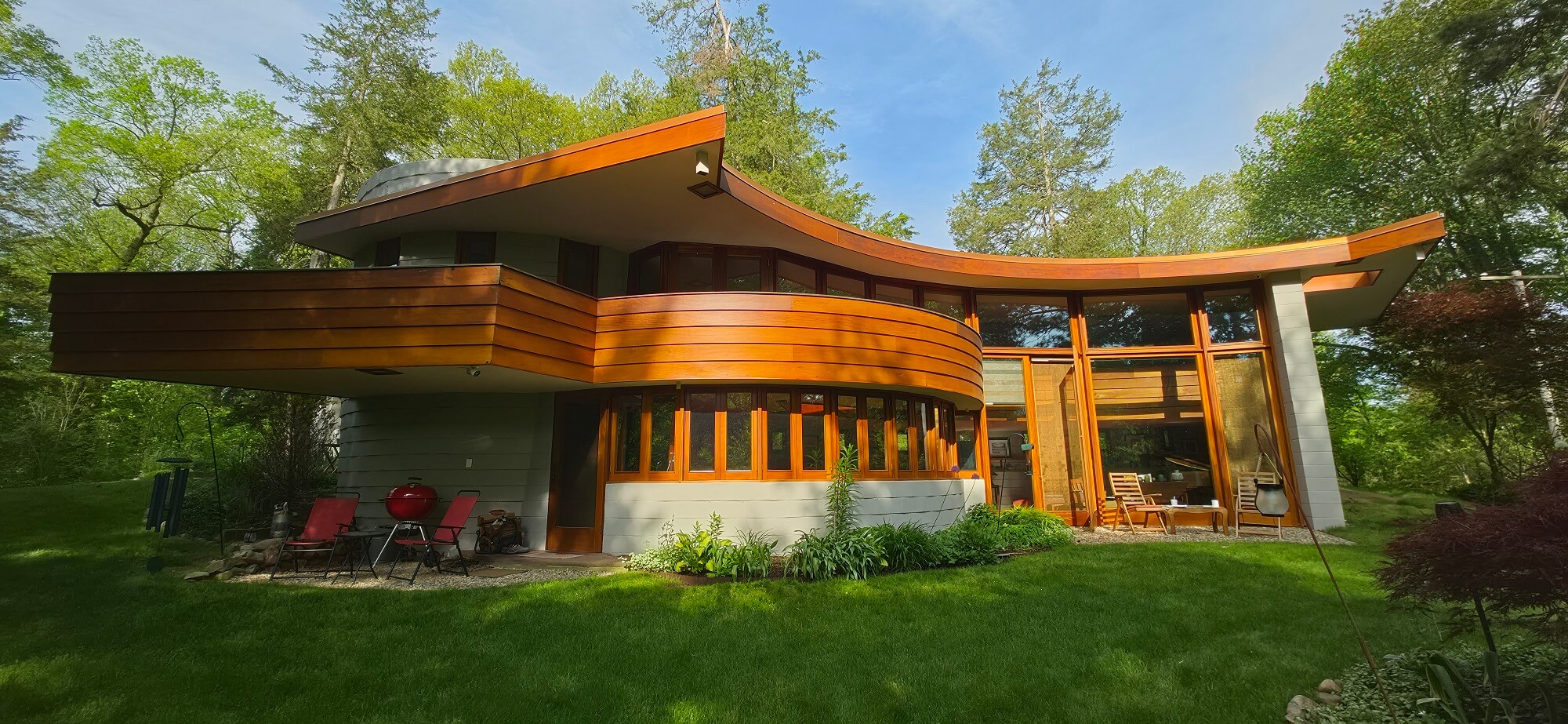
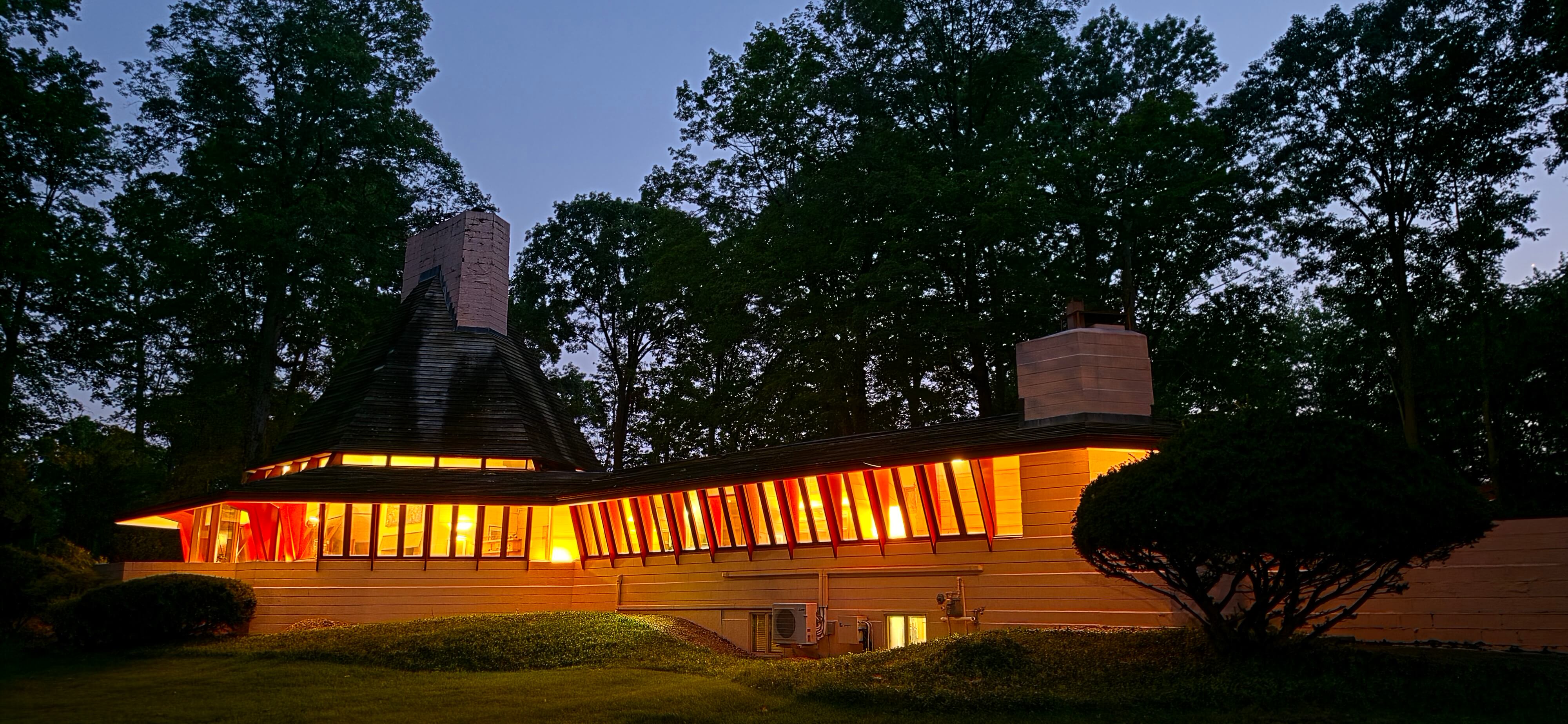
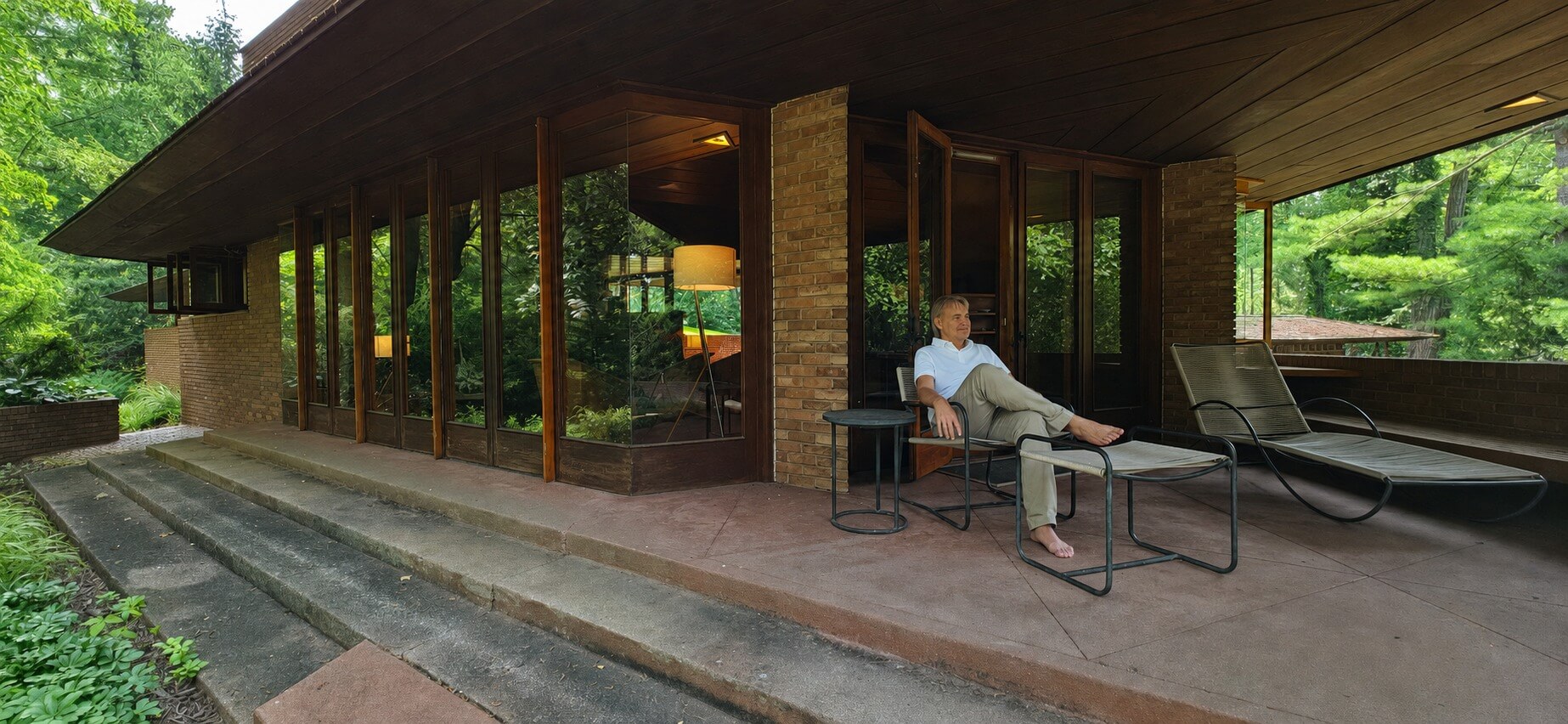
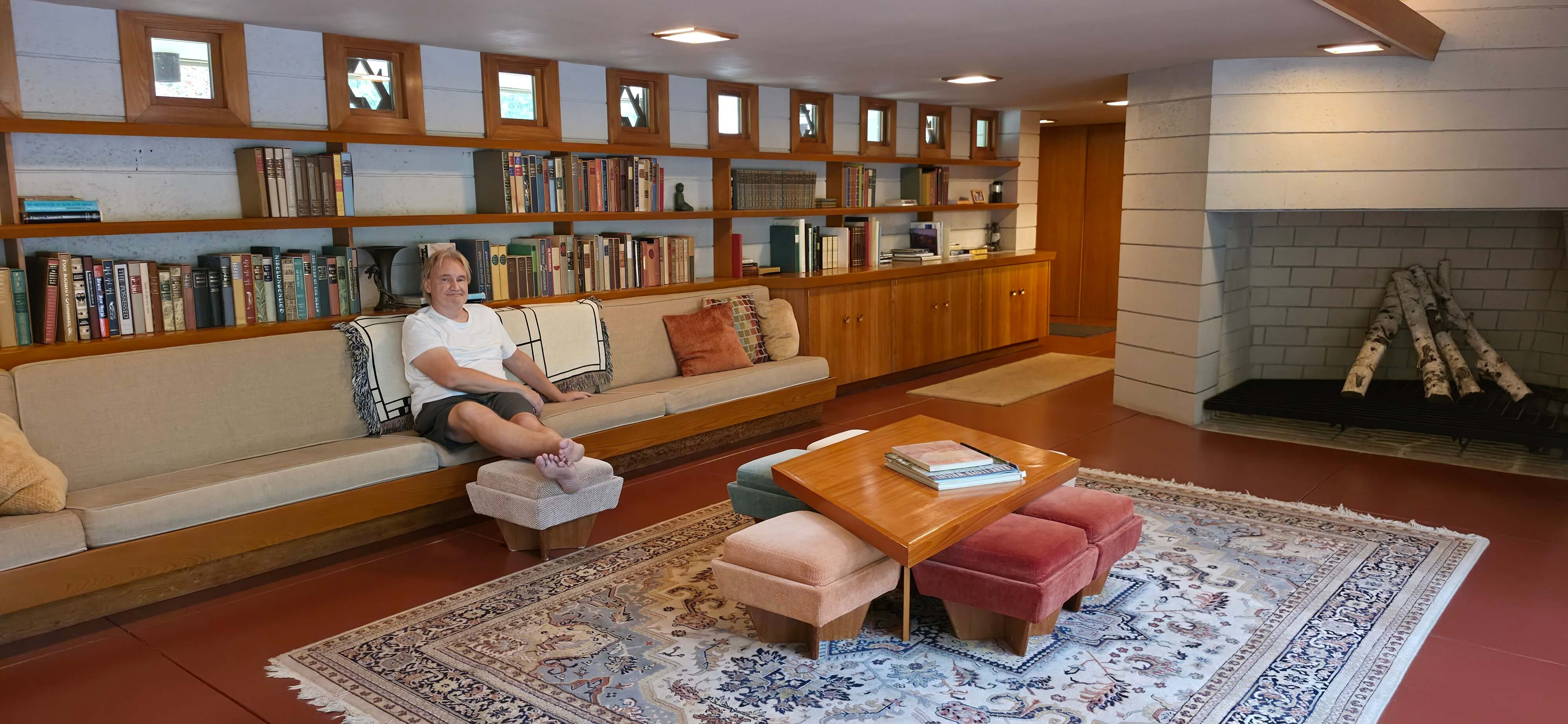
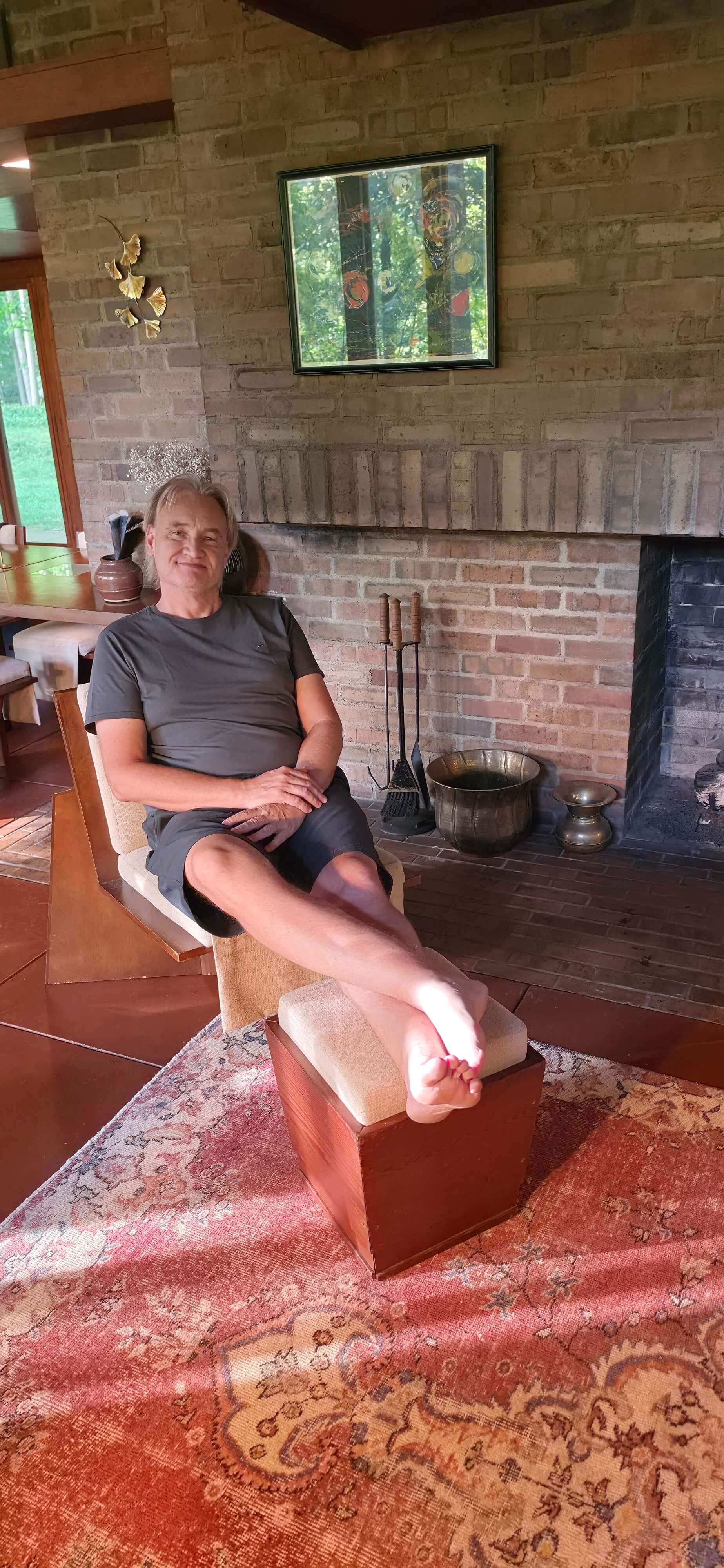
I consciously saw a Frank Lloyd Wright house (the famous US architect) for the first time in 2017. It was Fallingwater, on my way to Pittsburgh. My fascination with his work has stayed with me ever since.
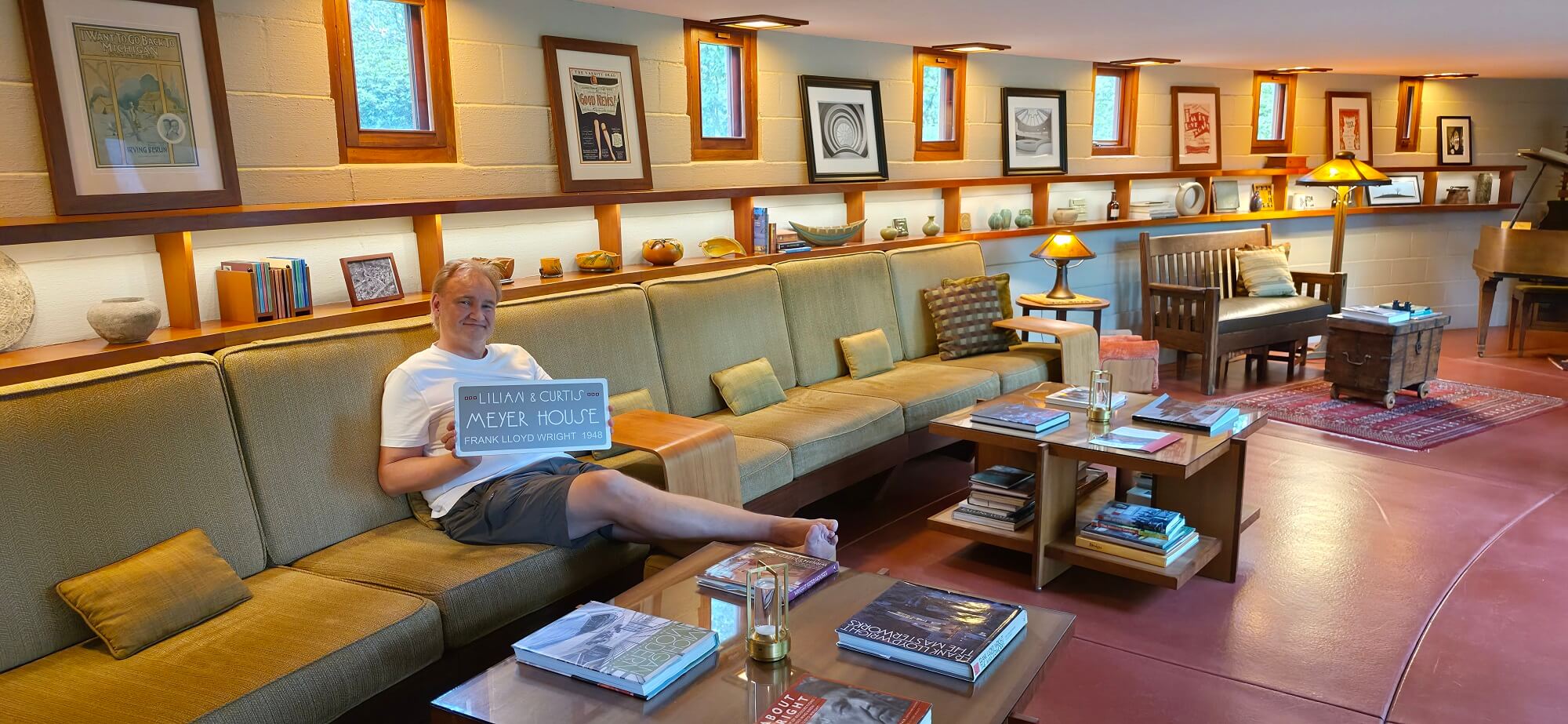
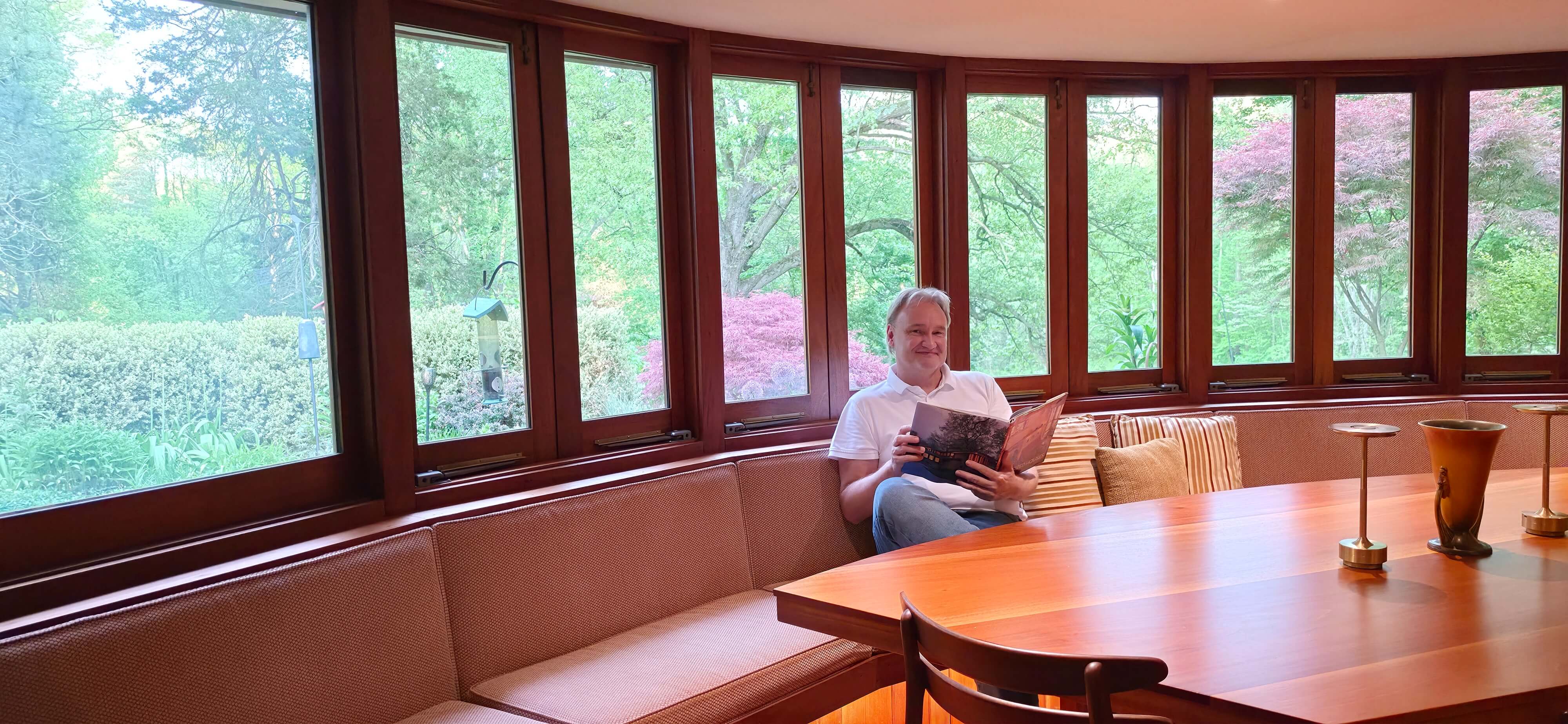
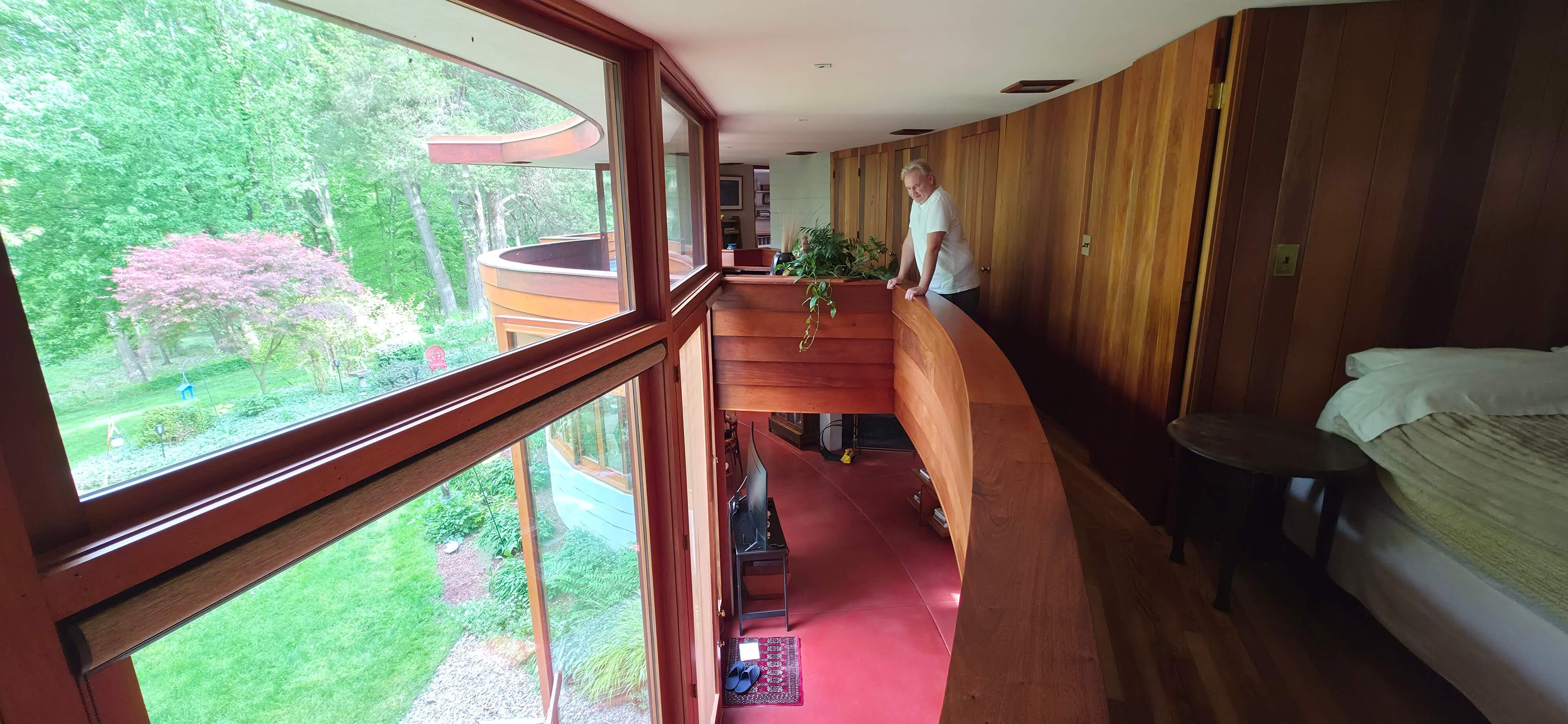
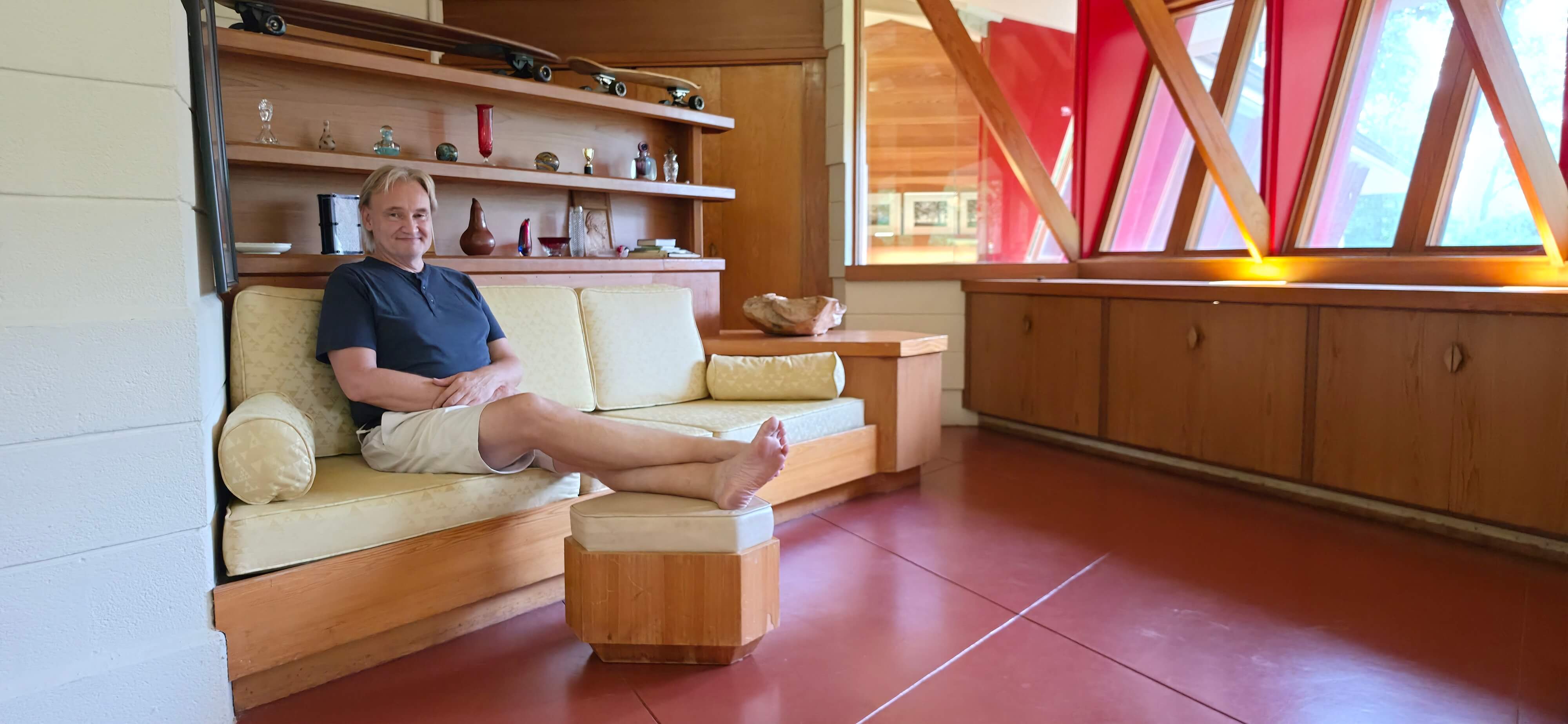
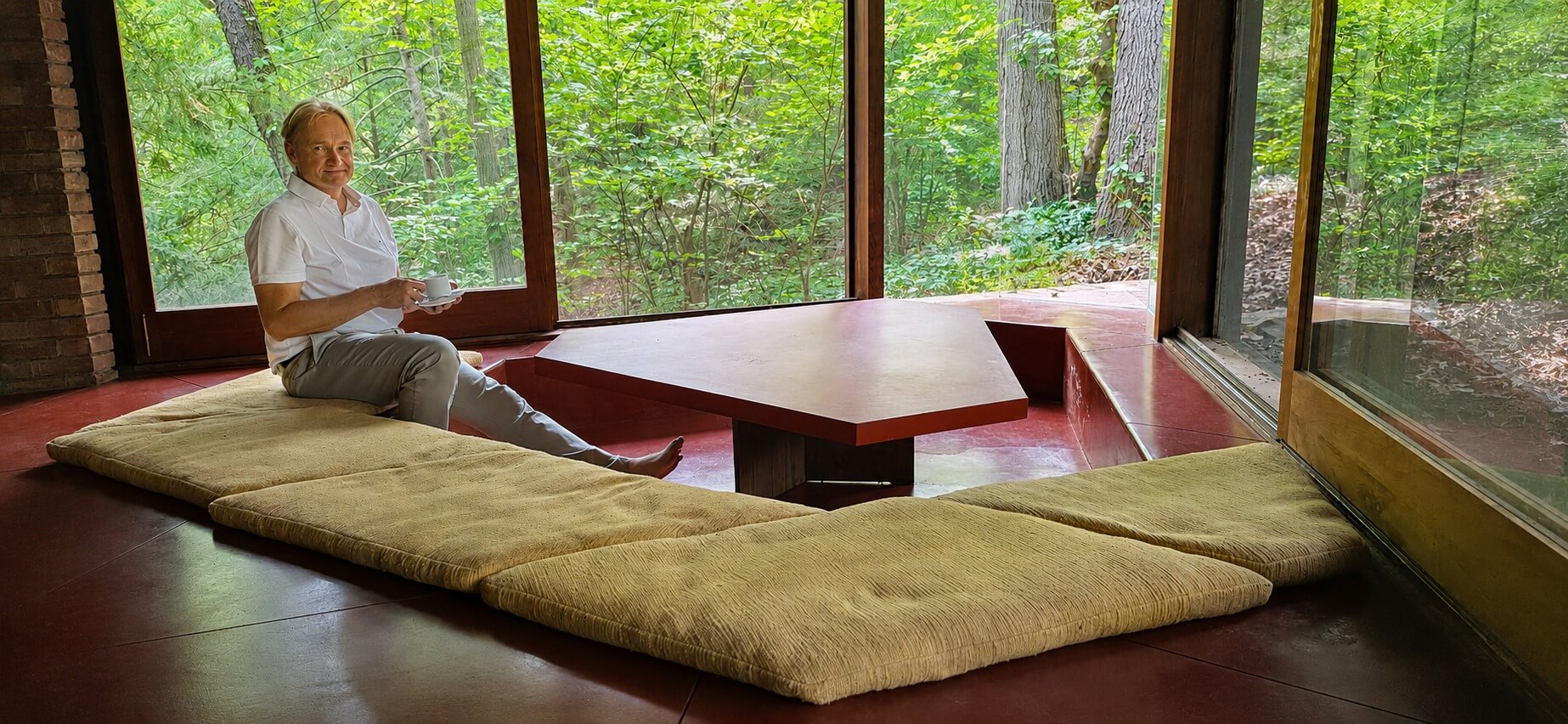
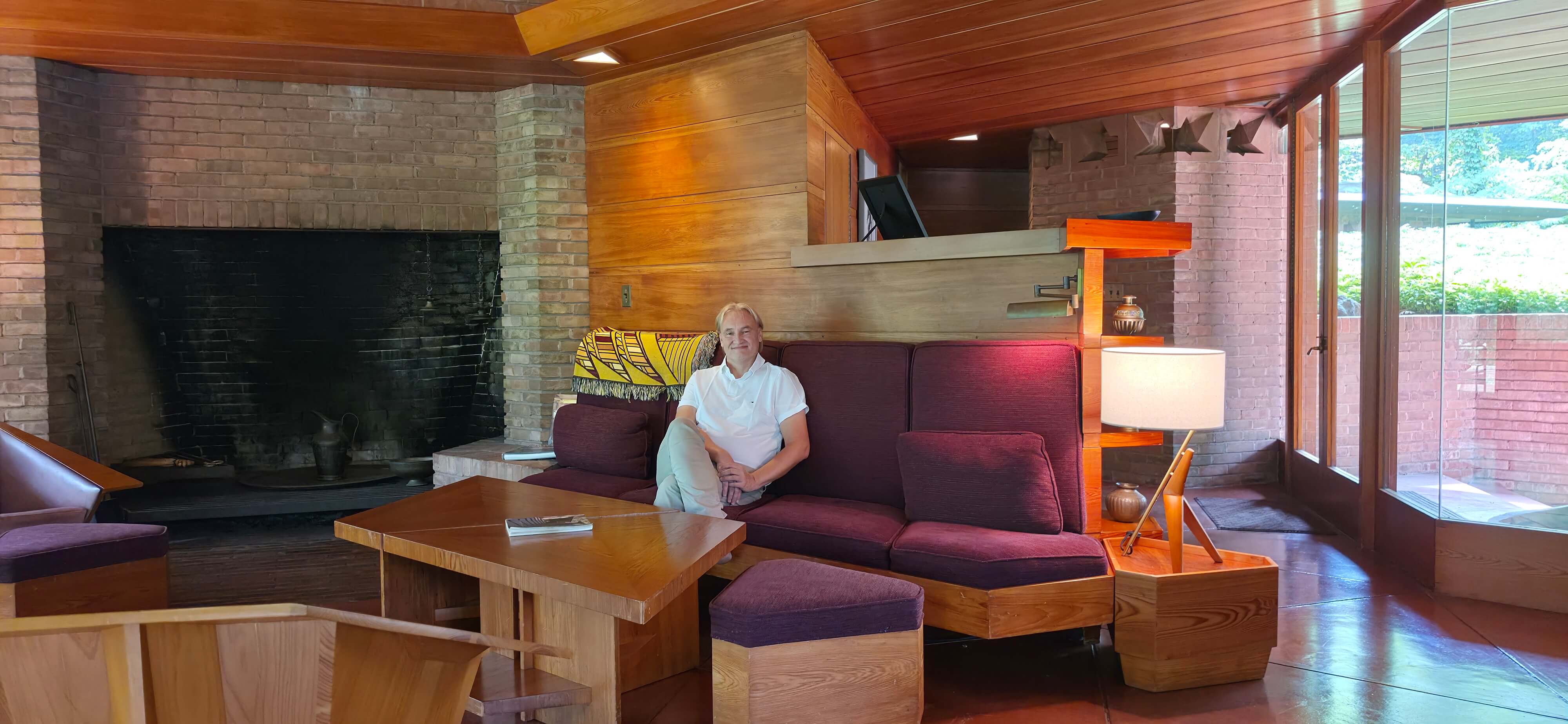
In Mai 2026, I visited many of his houses, stayed overnight at the Curtis Meyer House, and saw many private houses that are not open to the public, always with full respect for the owners’ privacy.
My girlfriend and I were so captivated by the houses that, only a few weeks later, we flew to Chicago again and travelled through Wisconsin, Illinois, Michigan, Ohio and Indiana. Fortunately, we were able to stay in four more Frank Lloyd Wright houses: the Palmer House, the Goetsch-Winckler House, the Lindholm House and the Woodside House. We also visited more than 20 other FLW houses, some on regular tours, some on private tours, as well as two privately owned homes.
We met incredibly friendly, enthusiastic and dedicated people on our trips. Above all, we are deeply grateful for the invitations to visit two private homes.
This brings the number of FLW houses we have visited so far to 31, and this is only the beginning. In 2027 I plan to explore his work in the western United States.
By now, I have collected quite a few Frank Lloyd Wright inspired books and items, including Taliesin lamps.
Photo / Video
After the first ten years, about 100,000 pictures and video clips had been sold, and my collection grew to several thousand time-lapse videos and millions of pictures totalling more than 100 TB.
In the early years of stock photography, so-called macrostock was a big market. Later, it changed, and now only a tiny fraction of my portfolio is listed at some microstock agencies.
Many of my time-lapse videos are shown on TV, in motion pictures, video productions, commercials, and on websites.
Pictures are used for many purposes, including websites, books, magazines and advertisements.
Time-lapse is fascinating. It offers endless creativity and possibilities for the photographer.
It started as a hobby. Many years ago, there were not many tools for producing time-lapse videos. Today, many cameras support time-lapse photography and countless tools are available. It is now easy to find information on the internet, and many mobile phones have a time-lapse function.
When I started time-lapse photography, I had to research everything myself. Experimenting was necessary.
During travel, time-lapse photography is quite time-consuming, but it has a very nice side effect: while doing it, you notice many processes in nature and urban life that most people never see.
Clouds are a good example. Real-time movement can be beautiful, but most of the time it is too slow to show what is really happening. In a time-lapse, even ordinary cloud formations can look spectacular. Well-known time-lapse videos are made in cities like New York, Hong Kong, Singapore, Tokyo, etc.
Many people have seen one of the best-known spots for time-lapse on TV, in movies, etc.: the diagonal pedestrian crossing in Shibuya, Tokyo / Japan.
Sometimes I see a potential time-lapse scene and get more and more engrossed; minutes turn into hours. I remember planning an hour or so to spend at some places, and ending up staying for hours or a whole day. For example: The Shard London, the Peak Hong Kong, any skyscraper in NYC, Willis Tower Chicago, etc.
The most satisfying are time-lapses of nature. I can’t get enough of it. Never.
Travelling with equipment for serious time-lapse photography is not easy. Sometimes I carry between 20 and 30 kg of camera equipment with me, but on average between 15 and 20 kg. I take at least three different cameras only for time-lapse work while travelling, sometimes as many as ten. Yes, it sounds rather mad, but it is very rewarding.
Just in my first 10 years, I built a 100+ TB collection of several thousand time-lapse videos and millions of pictures.
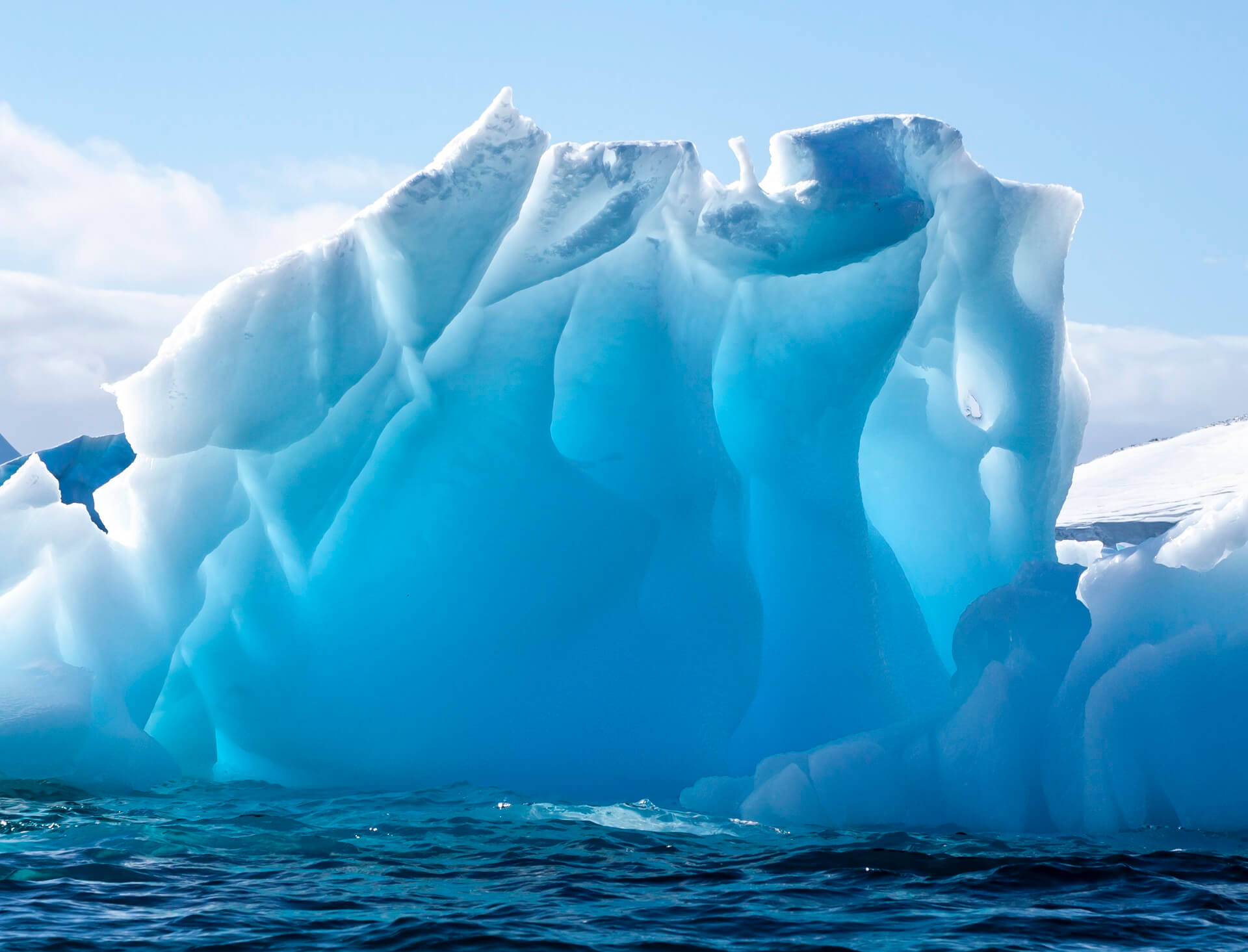
I was lucky to reach some very remote and amazing areas. The highest altitude for a time-lapse was 5,800+ metres (19,000+ feet) at Cerro Uturuncu in Bolivia. This mountain I drove up by myself in a Nissan Pathfinder. Some of the best scenery I found in Antarctica.
Urban time-lapses are fascinating as well. Big cities offer enormous potential for time-lapse, sometimes combined with dramatic settings.
Any form of reprint or reproduction (including excerpts) only with written permission.