RGS-008A (1974)
The rare RGS-008A computer in Achim Baqué’s vintage computer collection.
Back to the Vintage Computer Collection
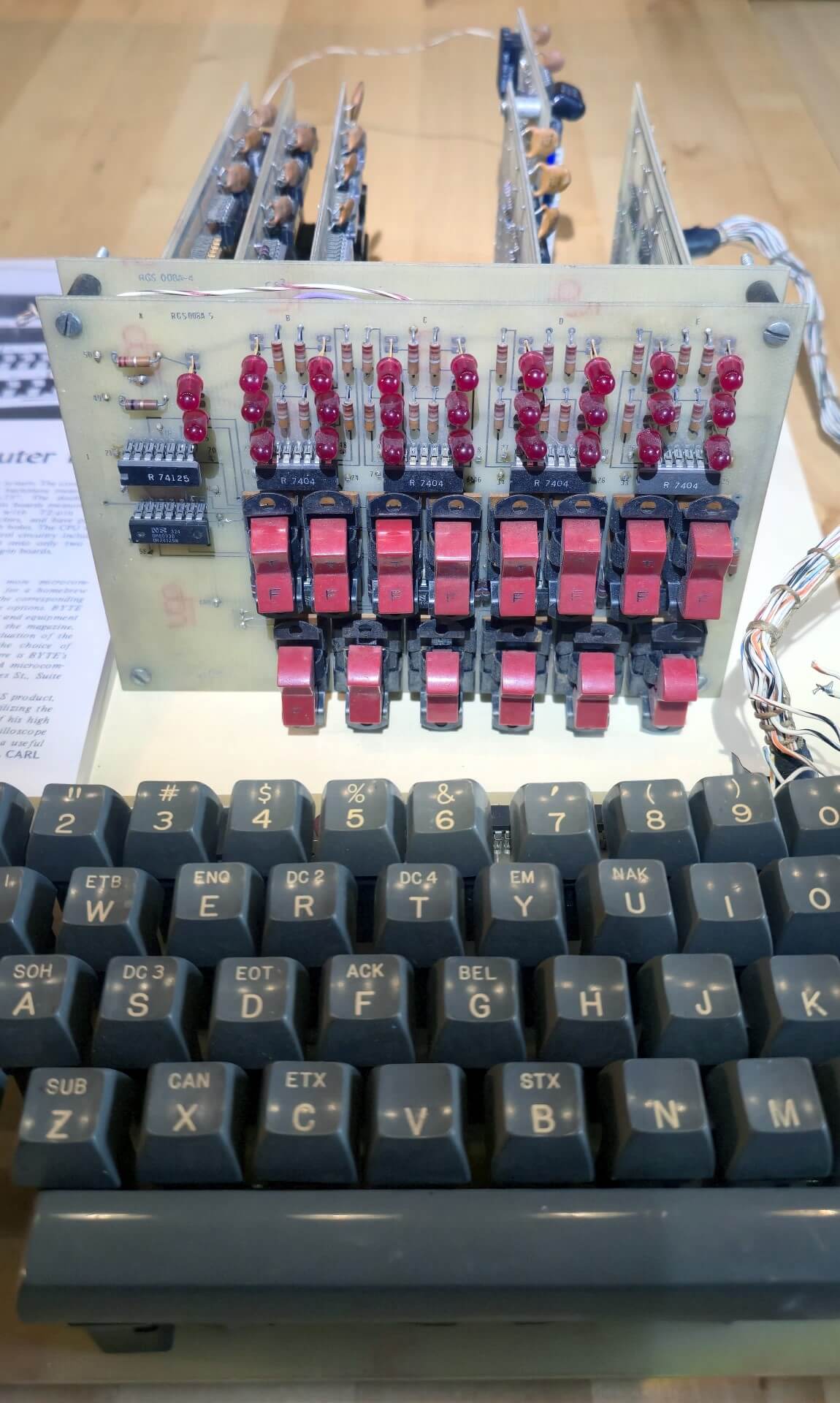 +
Extremely rare RGS-008A
+
Extremely rare RGS-008A
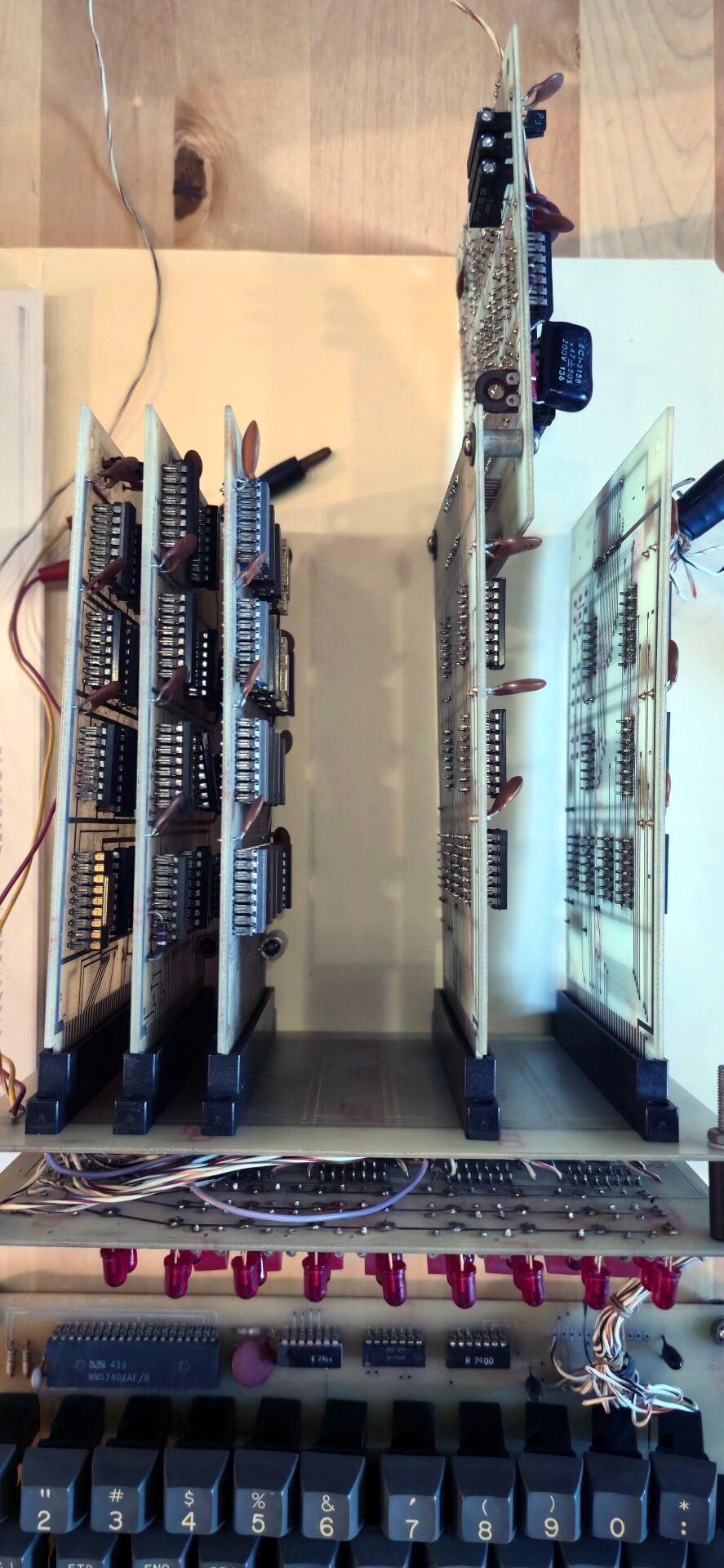 +
Extremely rare RGS-008A
+
Extremely rare RGS-008A
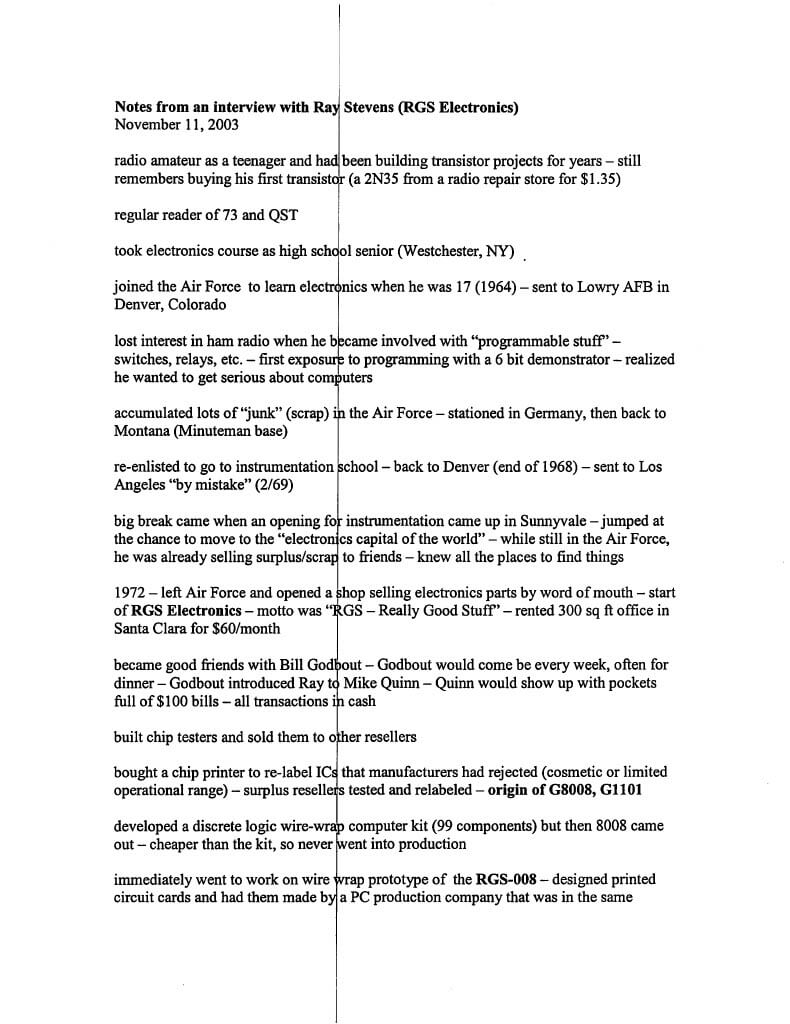 +
RGS-008A interview of Ray Stevens page 1
+
RGS-008A interview of Ray Stevens page 1
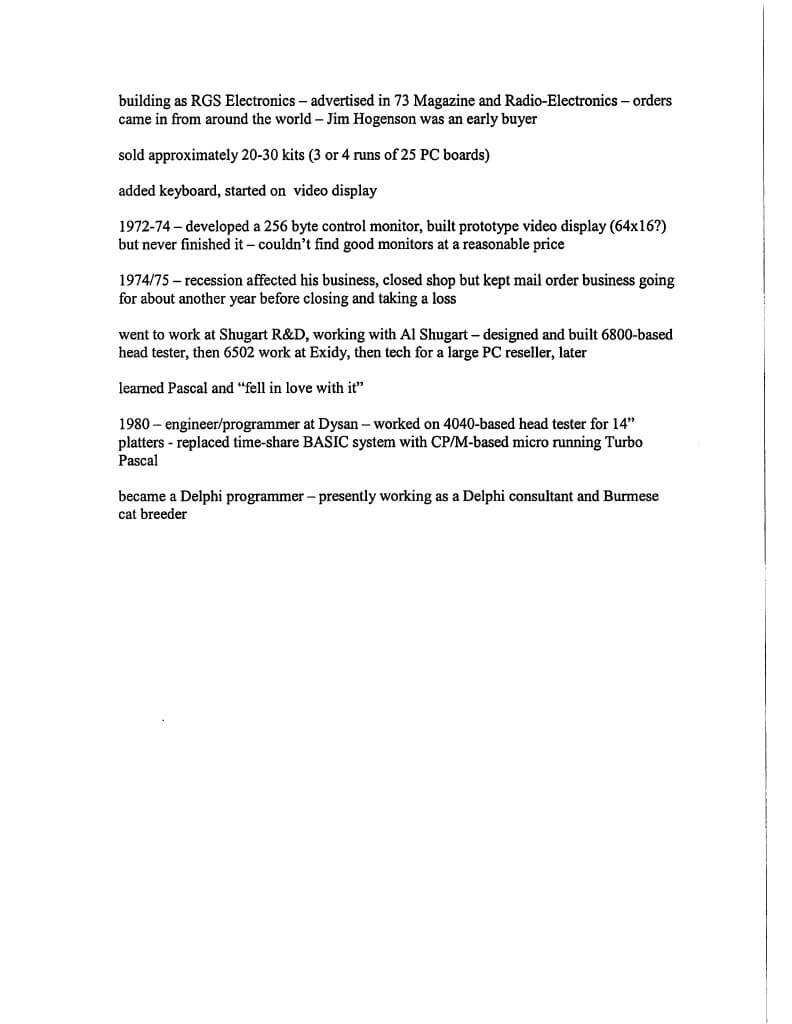 +
RGS-008A interview of Ray Stevens page 2
+
RGS-008A interview of Ray Stevens page 2
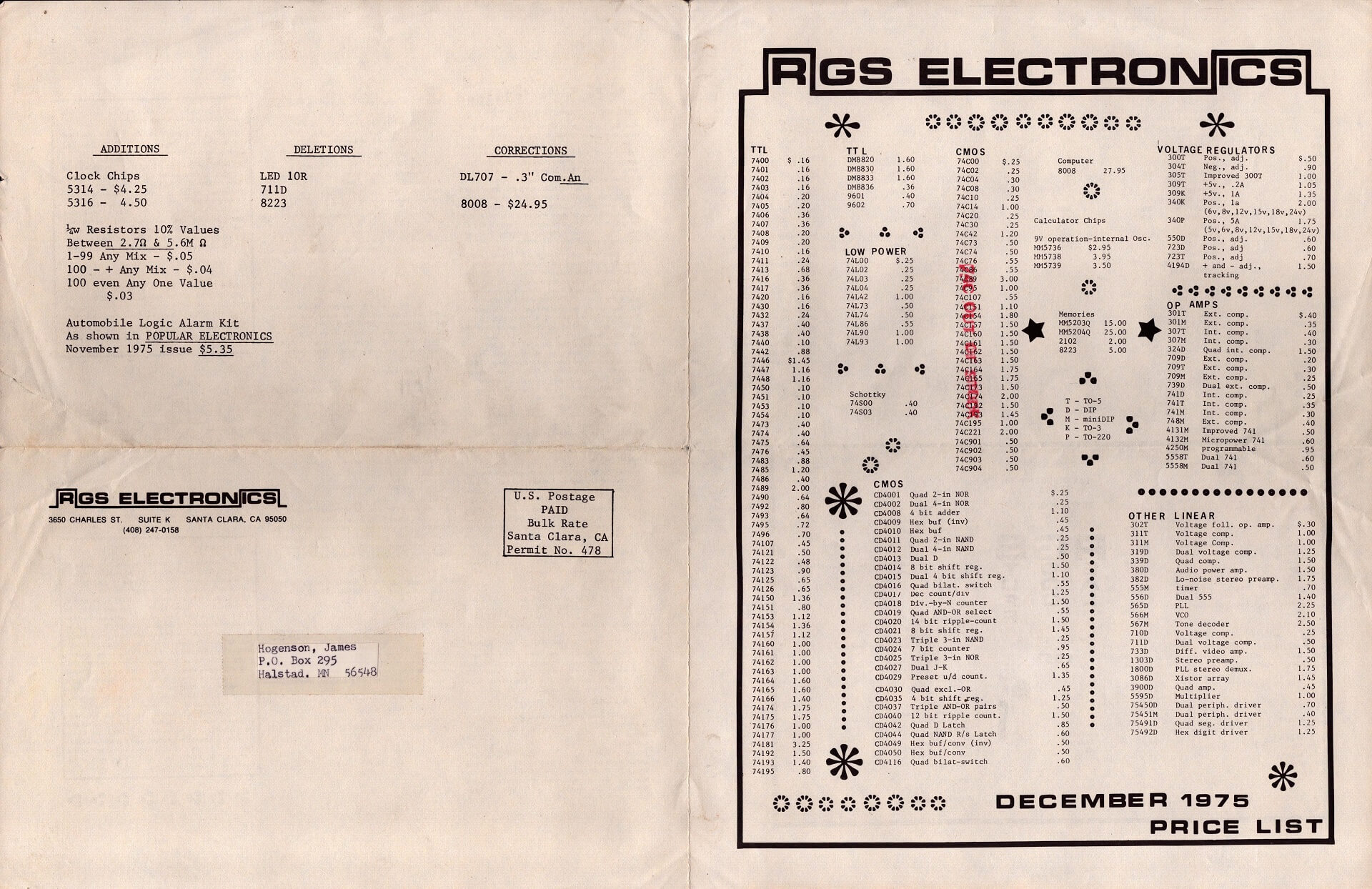 +
RGS-008A price list part 1
+
RGS-008A price list part 1
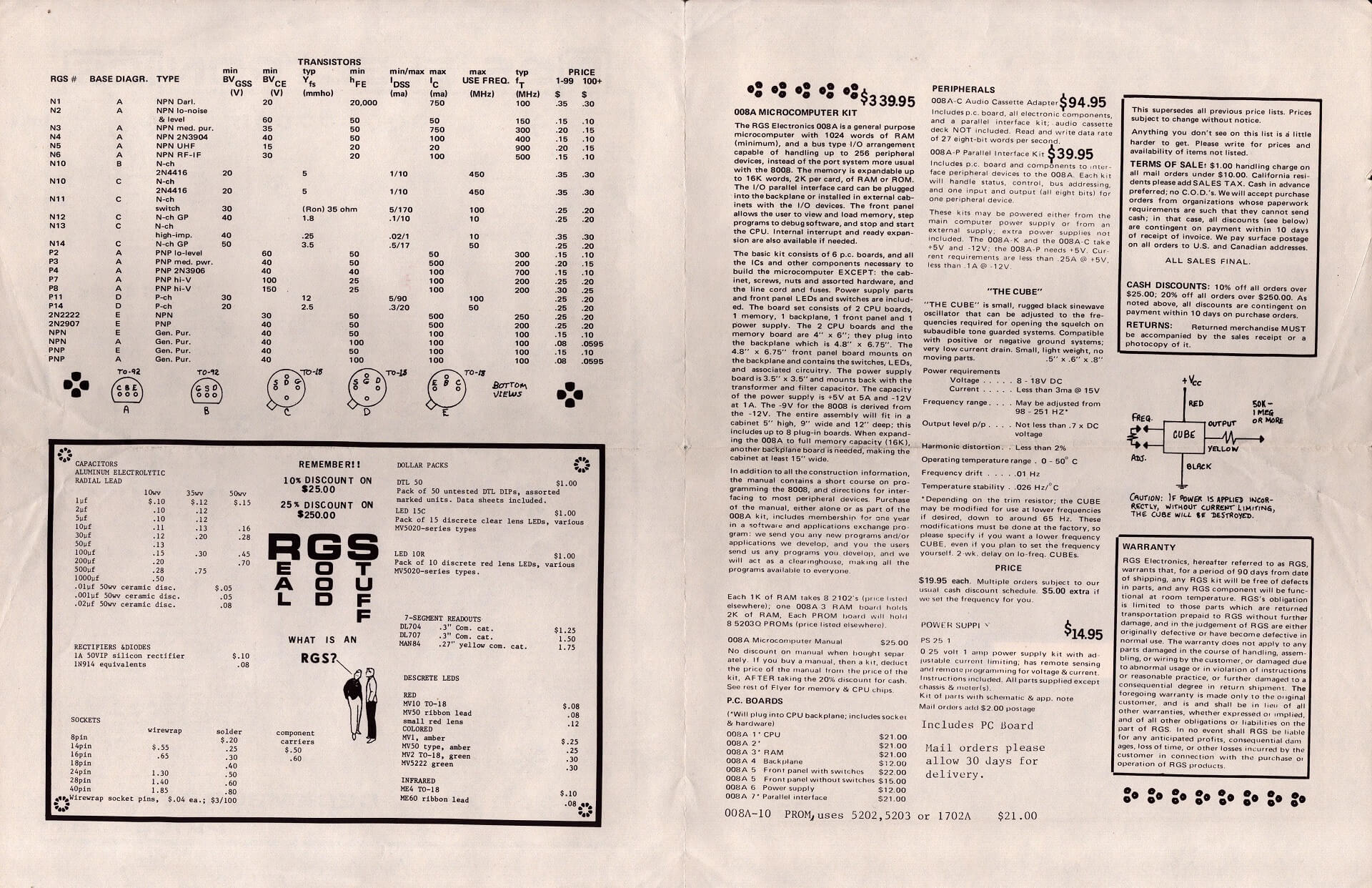 +
RGS-008A price list part 2
+
RGS-008A price list part 2
When I exhibited two of my Apple-1 computers at CHM a few years ago, I made an appointment with the owner of some very rare hardware. A very nice contact and he sold a lot to me.
Years later, we were in contact again and he mentioned the extremely rare RGS-008A, of which he and I own only one other and not so nice example at CHM. It took a while before the time was right and I was offered the chance to buy it. The seller has a certain emotional attachment to this device and I should take good care of this computer.
These included numerous documents and even a transcript of a handwritten note of a telephone conversation with Ray Stevens, the former owner of RGS Electronics. According to him only 20-30 RGS-008A kits were sold. This makes sense, because it seems that only two RGS-008A still exist.
The RGS-008A, sometimes simply called the RGS-008, is an early and fascinating example from the pioneering days of microcomputing in the 1970s. It was developed around 1974 and 1975 by RGS Electronics in Santa Clara, California, and built around the Intel 8008 processor, which was one of the very first 8-bit microprocessors and helped pave the way for the later personal computer revolution.
The system was sold as a kit, aimed at electronics enthusiasts and hobbyists who wanted to build their own computers at home. For the price of 375 US dollars at the time, buyers received six printed circuit boards: the CPU board, memory, power supply, front panel, backplane, and additional connectors. RGS Electronics paid special attention to solid engineering. Its double-sided 72-pin edge connector bus could support up to 256 devices, and its electrical design, including good grounding and bus termination, was praised by experts like Bill Godbout as more robust than the later and more famous S-100 bus.
The RGS-008A came with one kilobyte of RAM as standard, which could be expanded up to four kilobytes. A respectable amount for that era. However, the kit did not include a case or a power cord, which reflected the do-it-yourself spirit of the time. Users were expected to assemble the system themselves and often built or adapted their own enclosures.
In September 1975, the RGS-008A earned a small but notable place in computing history when it was featured in the very first issue of Byte magazine. This publication would soon become the main voice of the growing microcomputer hobbyist community. Despite its sound engineering and affordable price, the RGS-008A struggled to capture the imagination of the public. It lacked the blinking lights and striking front panels that made systems like the Altair 8800 so visually exciting. As a result, sales were modest, and RGS Electronics went out of business by 1981.
Today, the RGS-008A is mostly forgotten outside of vintage computing circles and museums. Surviving units are extremely rare, and one complete example is preserved in my collection and at the Computer History Museum in Mountain View, California, as a testament to the creativity and experimentation that defined the early years of personal computing.
Looking back, the RGS-008A represents an important but overlooked step in the history of early microcomputers. Though it never reached the fame of its better-known competitors, its thoughtful hardware design and focus on accessibility show how quickly ideas were developing at the dawn of the computer age. It reminds us that the modern digital world was built not just by big names but also by countless forgotten innovators who believed that computers could belong to everyone.
Confidential contact
If you own or know of historically important computers, documentation, software, manuals, parts, photographs, provenance information or related artefacts, please contact me. Messages, photographs and provenance details are treated confidentially.