DEC PDP-8 “Straight-8” (1965)
The DEC PDP-8 “Straight-8” in Achim Baqué’s vintage computer collection.
Back to the Vintage Computer Collection
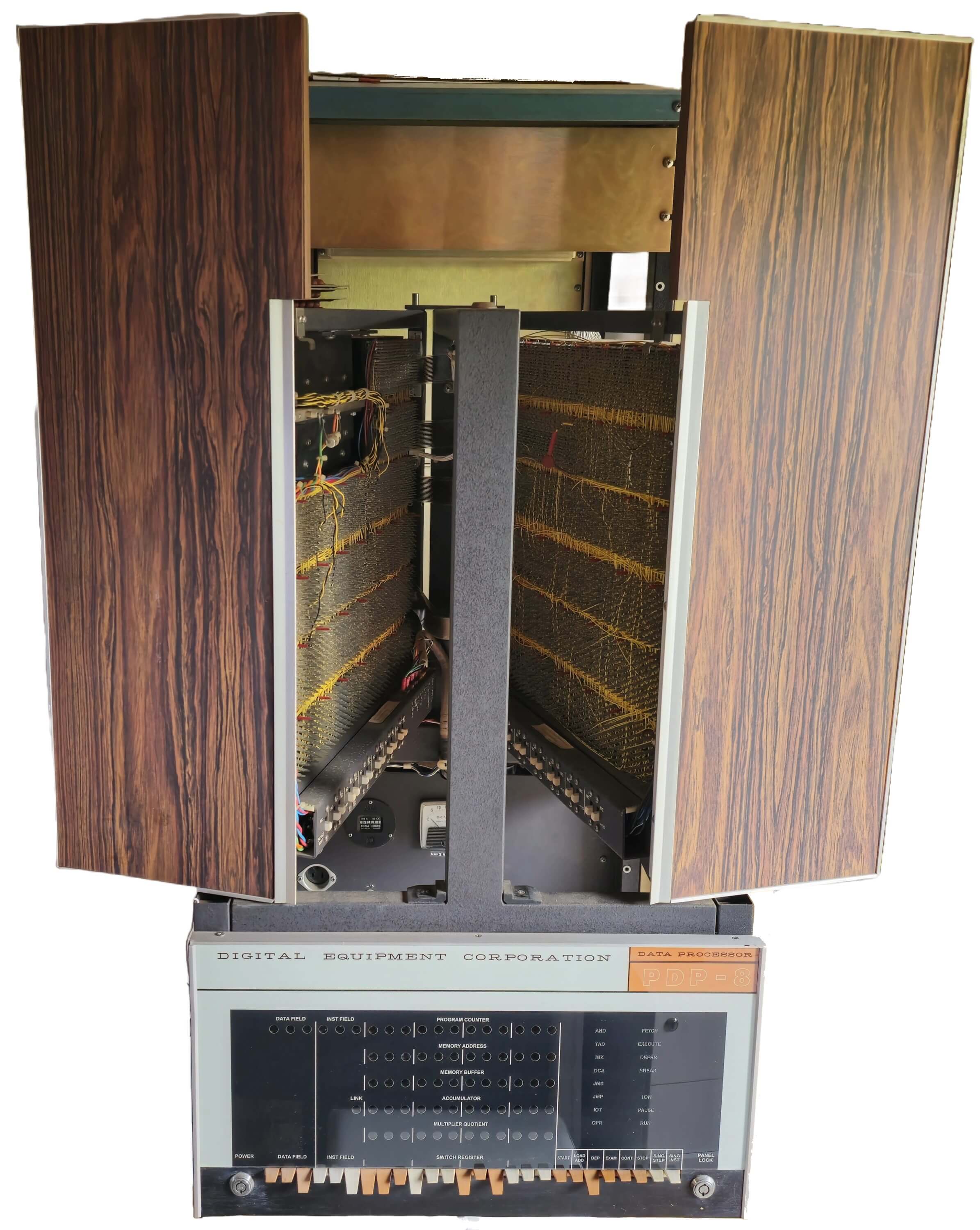
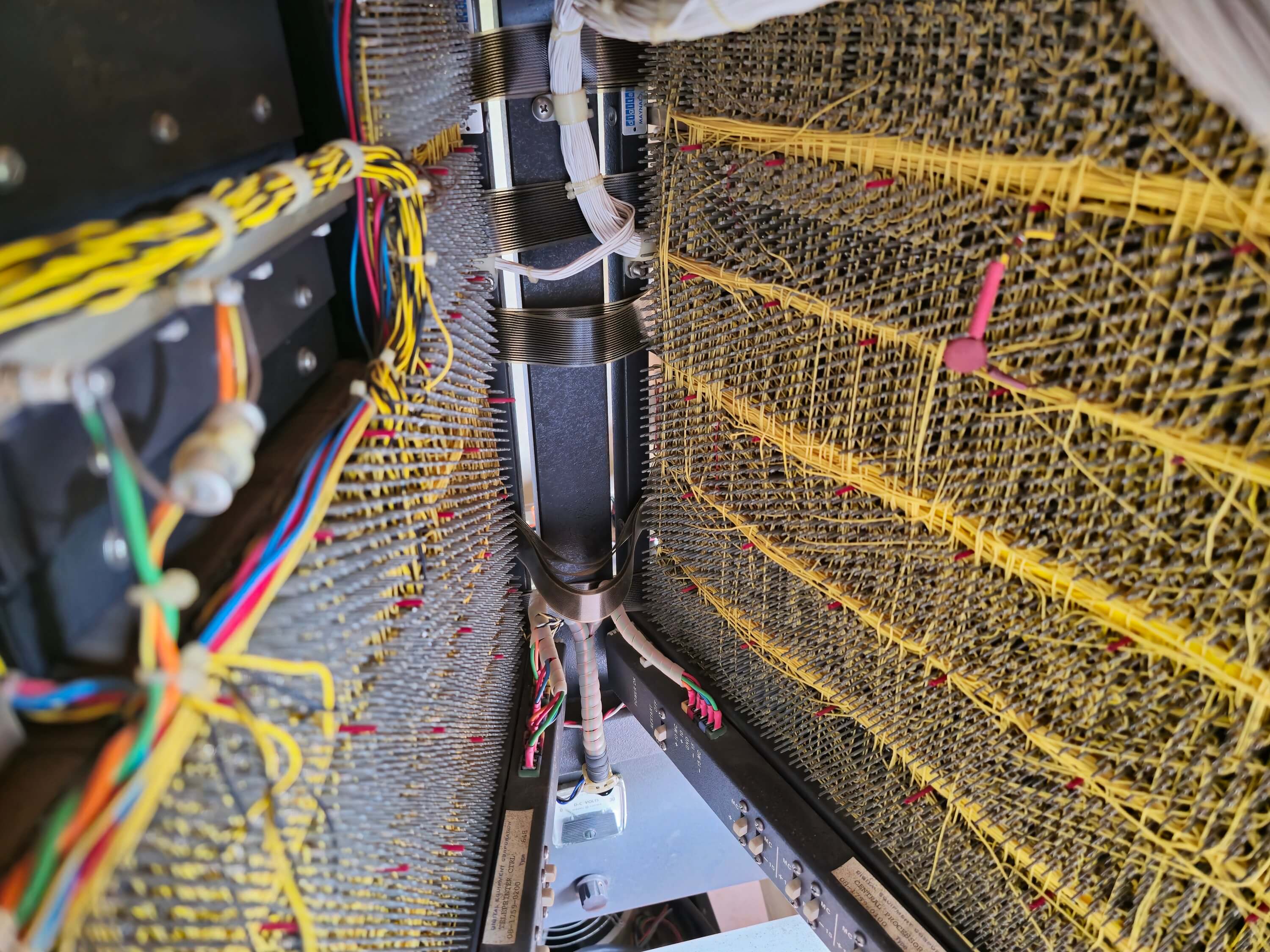

I already had some PDP-8, but not the mighty Straight-8, the first model of the PDP-8 with the iconic look. There are very few of these computers left. Available as a table-top model and for installation in a 19" rack.
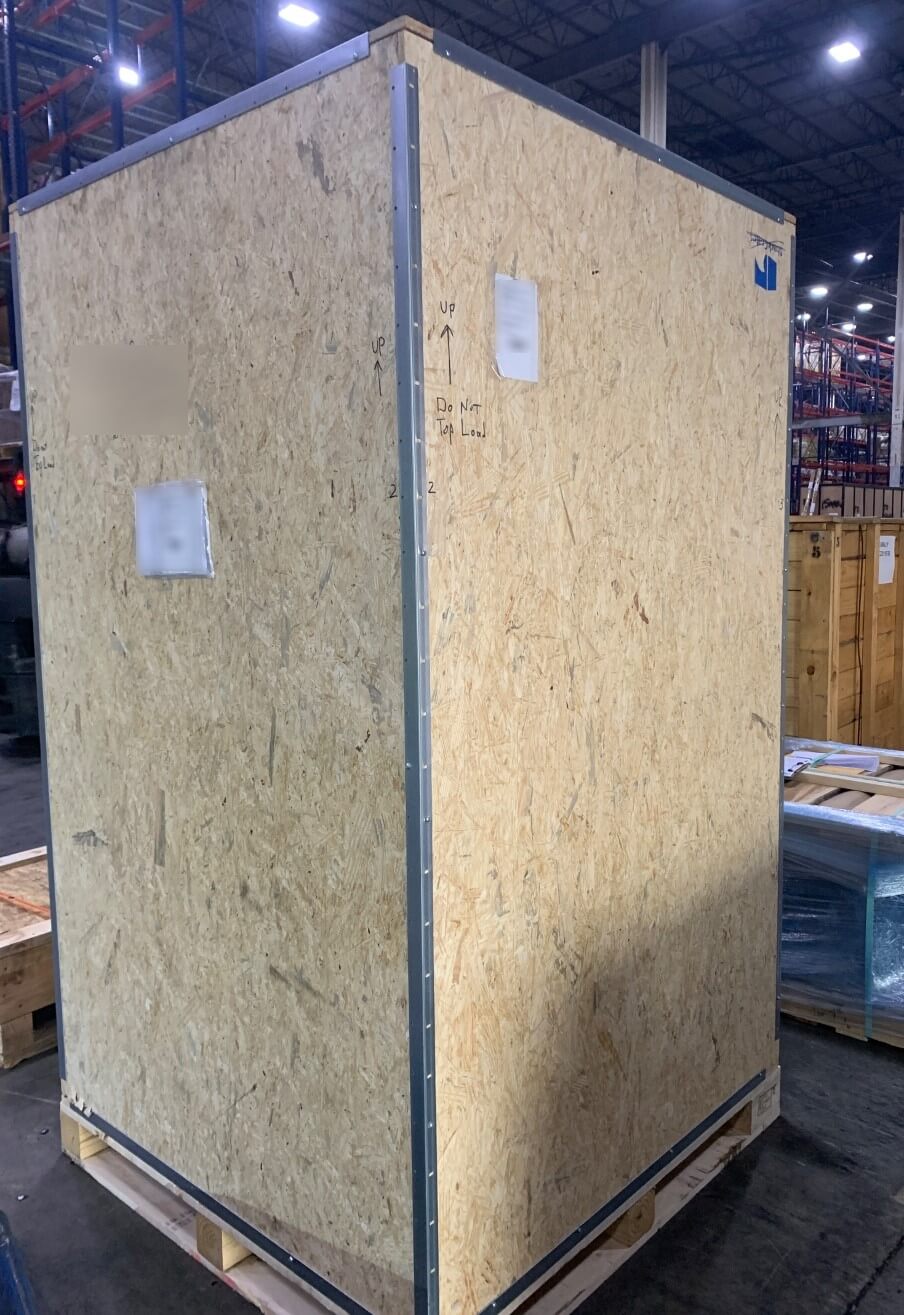
Fortunately, contact was established with the owner of a Straight-8. As with most of the computers in my collection, the computer was located in the USA. And what's more, it was in a large rack alongside a teletype. That always means high transport costs, and customs charges 19% import sales tax. The seller built a huge wooden box and securely packed the PDP and the teletype inside it. Everything arrived safely, and I am delighted with this magnificent machine every day.
The PDP Straight-8, officially known as the PDP-8, is one of the most significant computers from the early digital era. Developed by the company Digital Equipment Corporation (DEC) and introduced in 1965, it marked a turning point in the history of computer technology. With the PDP-8, it became possible for smaller companies, laboratories, and universities to own a computer, as it was affordable and relatively easy to use.
Before the PDP-8, computers were huge, expensive machines that only large research institutions or governments could afford. In contrast, the PDP-8 was much smaller, cheaper, and easier to operate. The nickname “Straight-8” was often used to refer to the original, unmodified version, distinguishing it from later improved models.
Technically, the PDP-8 was a 12-bit minicomputer. It used magnetic core memory with a capacity of 4,096 words, which was sufficient at the time. Input and output were handled by paper tape readers, teletypes, or magnetic tape drives. Its compact design meant that the PDP-8 could even fit under a desk, which set it apart from the room-filling mainframe computers of the day.
The true importance of the PDP-8 lies in the fact that it brought computing power out of the exclusive world of mainframes and into a wider range of applications. Many universities used it for teaching because its architecture was relatively easy to understand. It was also used in industry, for example to control machines or collect measurement data in laboratories.
The success of the PDP-8 led DEC to develop further minicomputers, such as the well-known PDP-11. In this way, the PDP-8 laid the foundation for a new generation of computers and influenced many later developments in the IT industry.
Today, the PDP Straight-8 is considered an important piece of technological history. It symbolizes the beginning of the democratization of computing and is valued by museums and technology enthusiasts around the world.
In summary, the PDP Straight-8 was a crucial step toward making computers smaller, more affordable, and practical for everyday use. Without this development, the widespread presence of computers in almost every aspect of modern life would hardly be imaginable.
Confidential contact
If you own or know of historically important computers, documentation, software, manuals, parts, photographs, provenance information or related artefacts, please contact me. Messages, photographs and provenance details are treated confidentially.