IBM 360 Mainframe Consoles (196x)
IBM System/360 mainframe consoles in Achim Baqué’s vintage computer collection.
Back to the Vintage Computer Collection
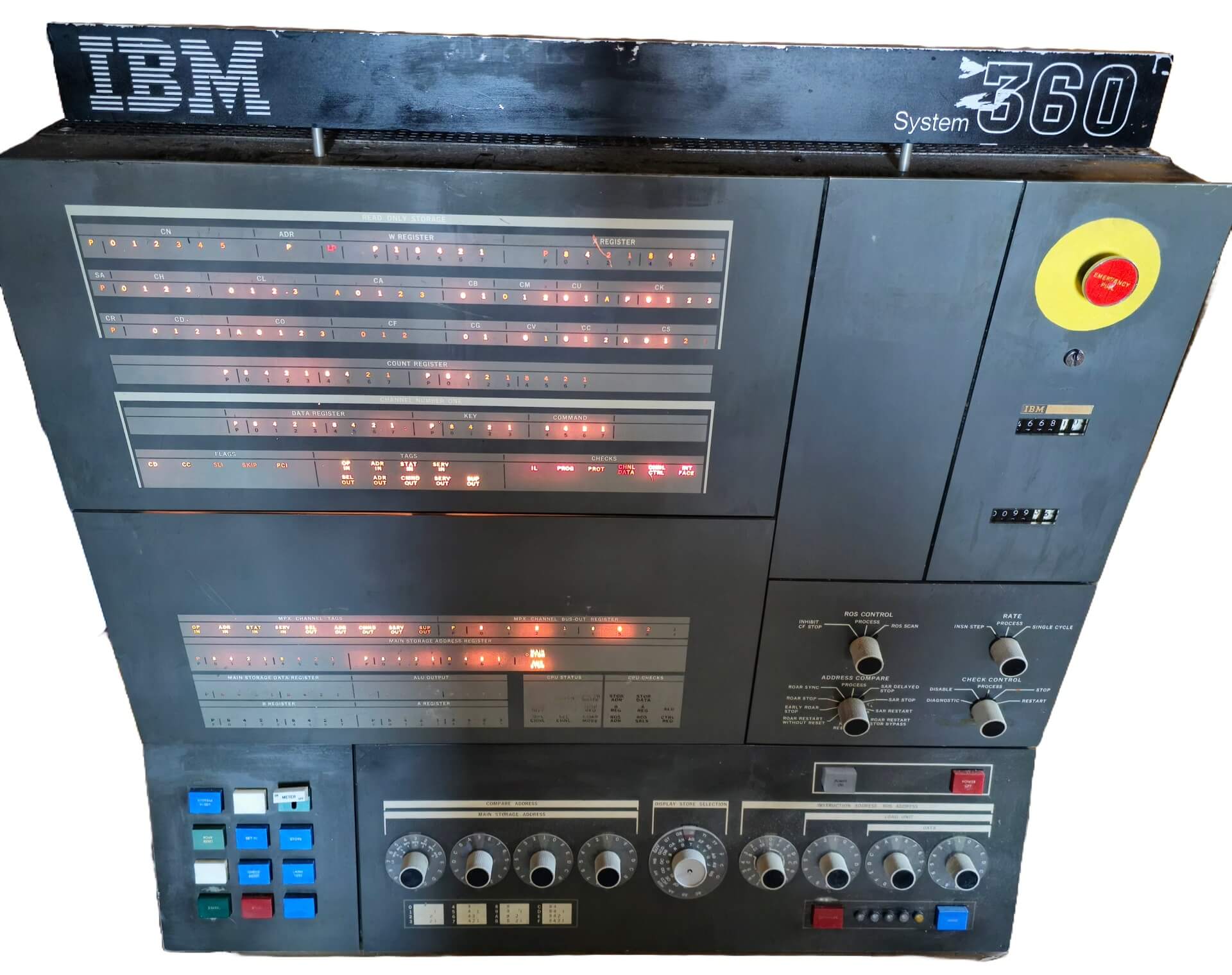 +
IBM 360/30 console black edition
+
IBM 360/30 console black edition
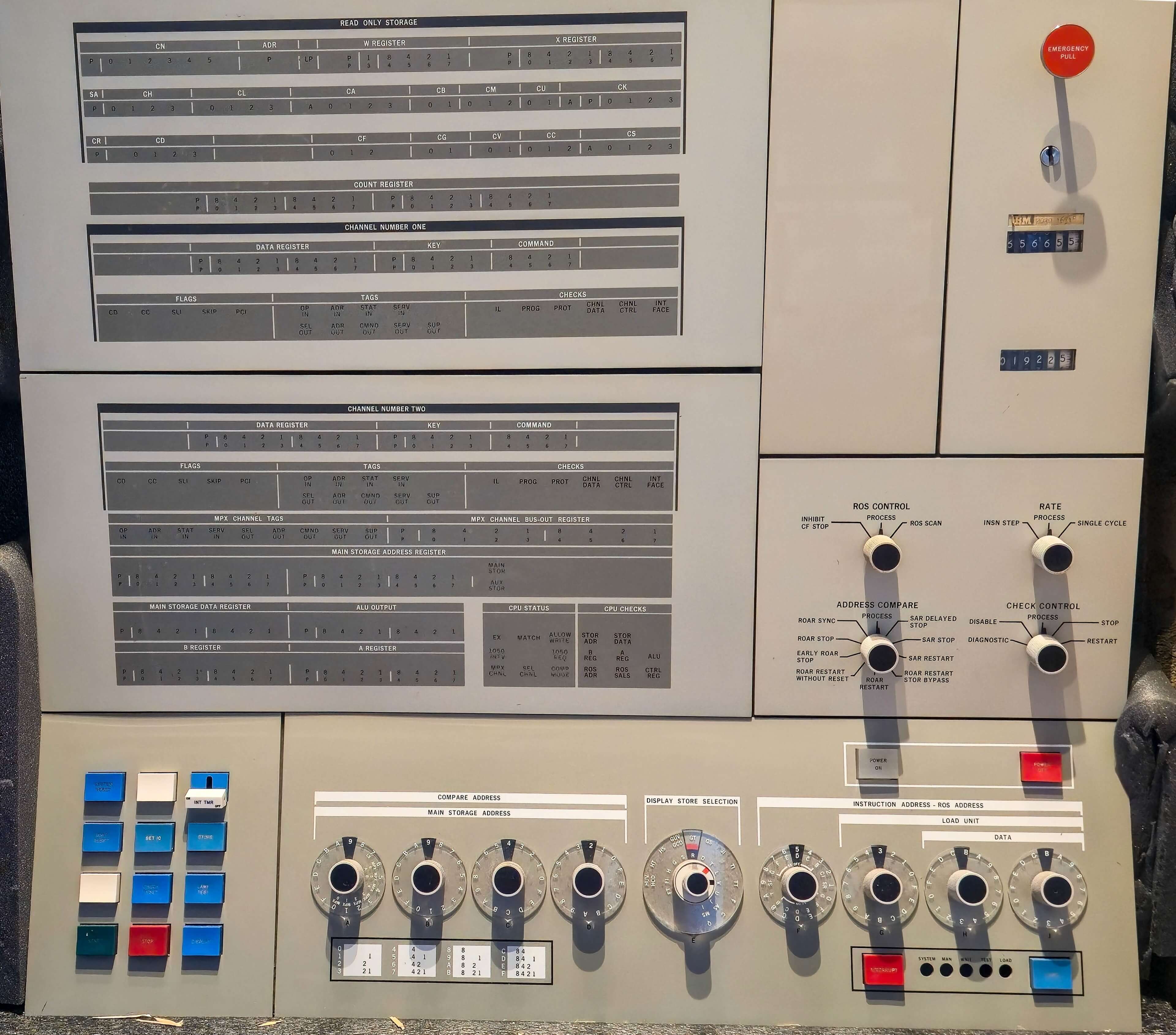 +
IBM 360/30 console
+
IBM 360/30 console
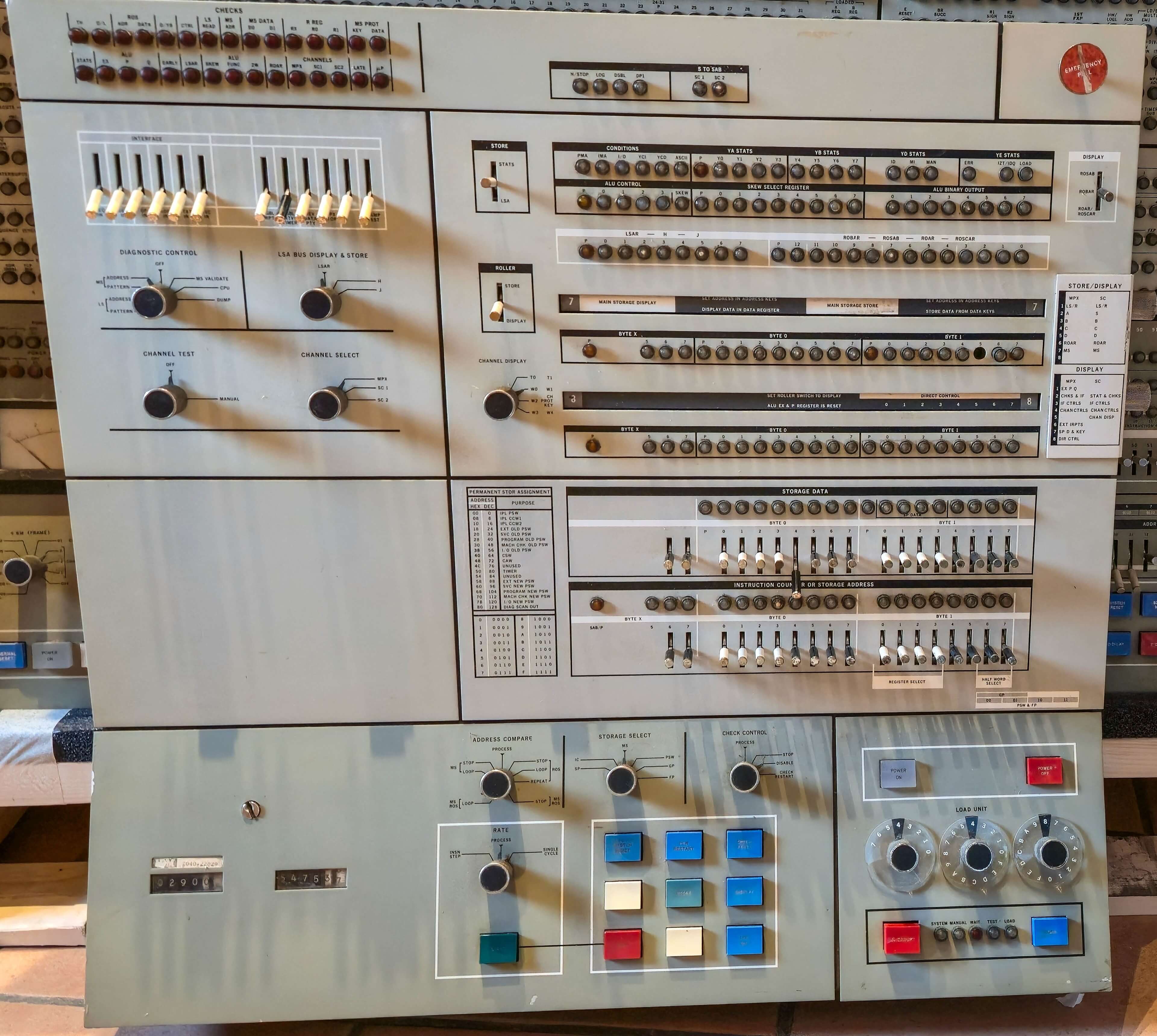 +
IBM 360/40 console in box
+
IBM 360/40 console in box
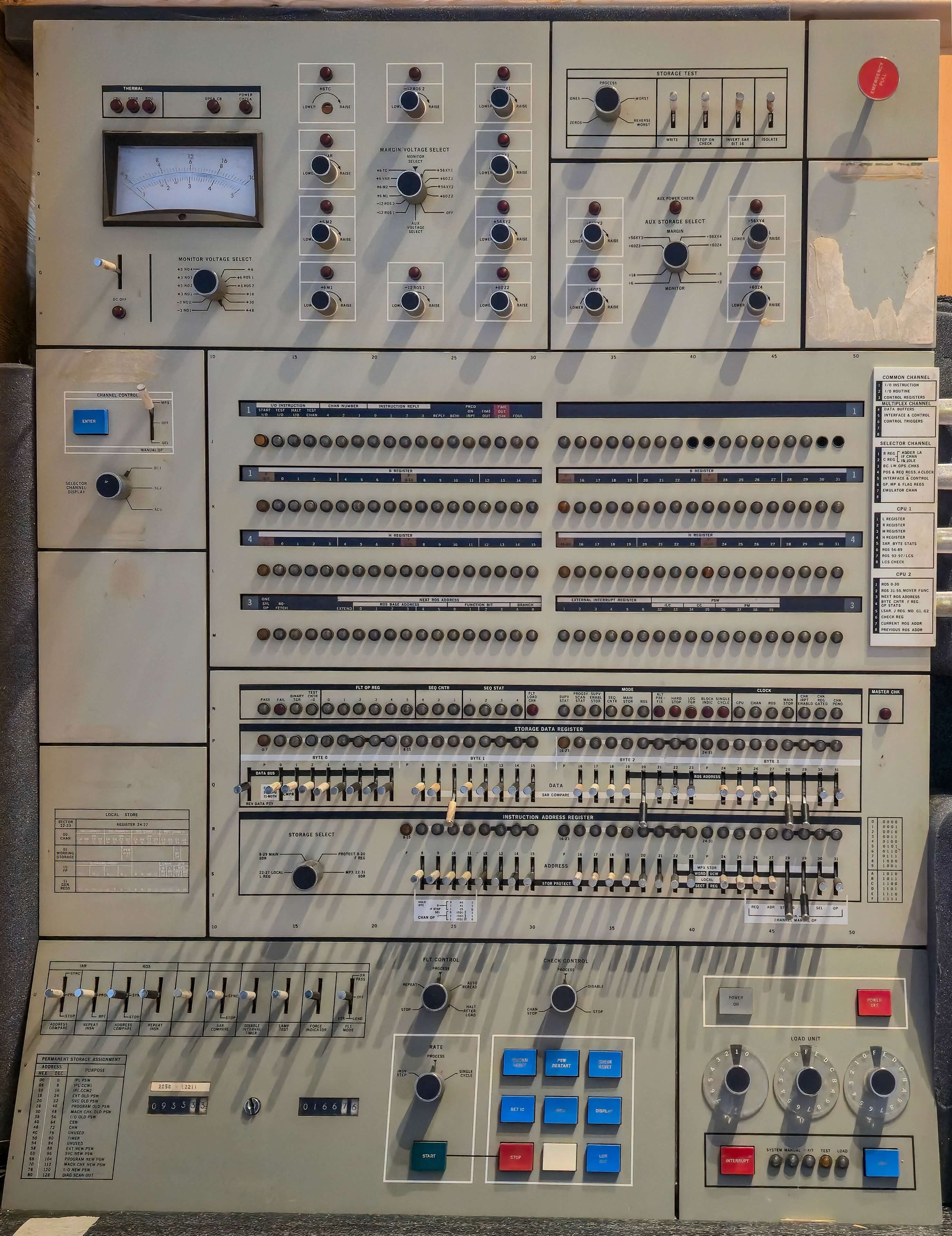 +
IBM 360/50 console in box
+
IBM 360/50 console in box
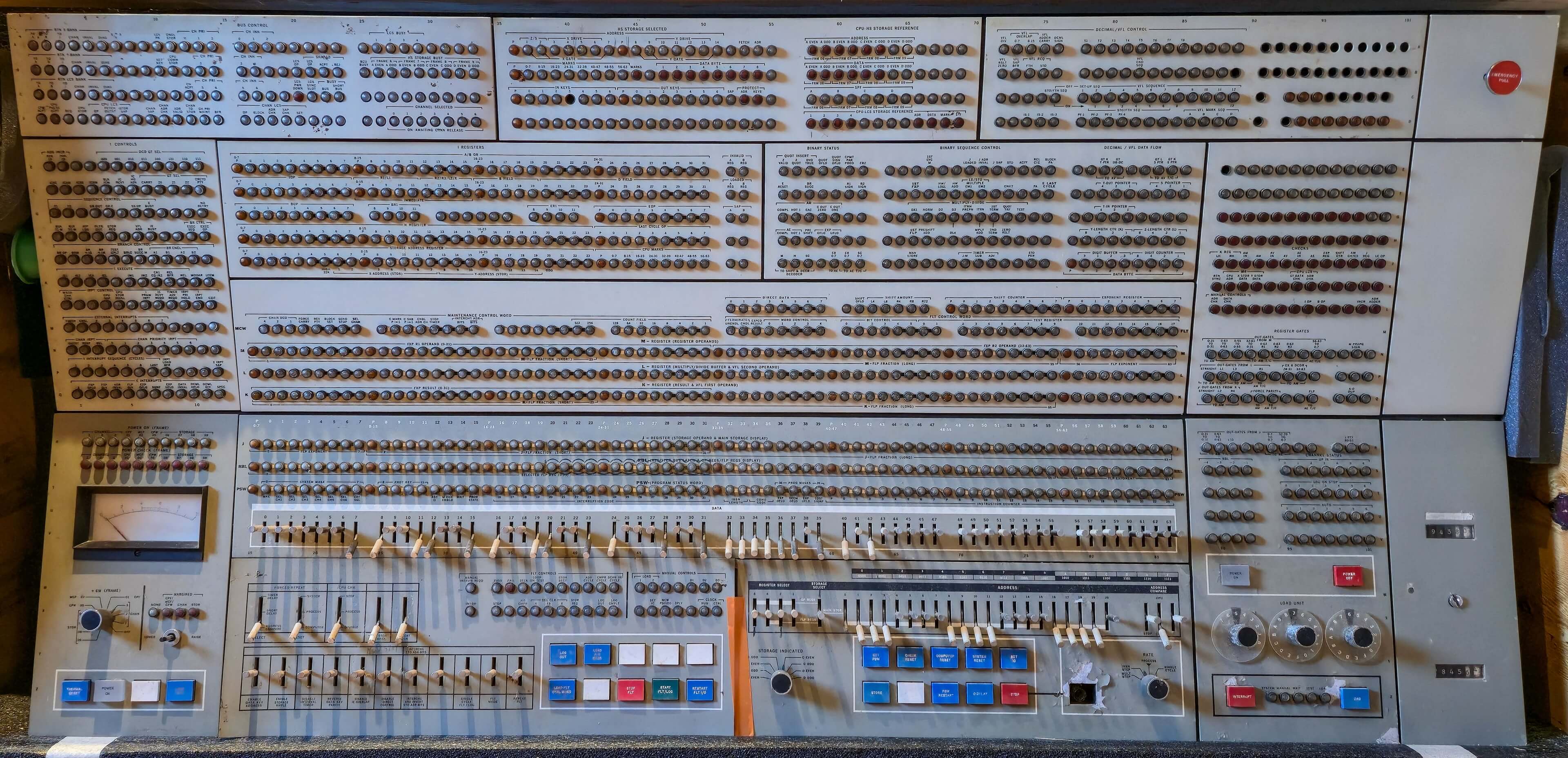 +
Gigantic IBM 360/75 console
+
Gigantic IBM 360/75 console
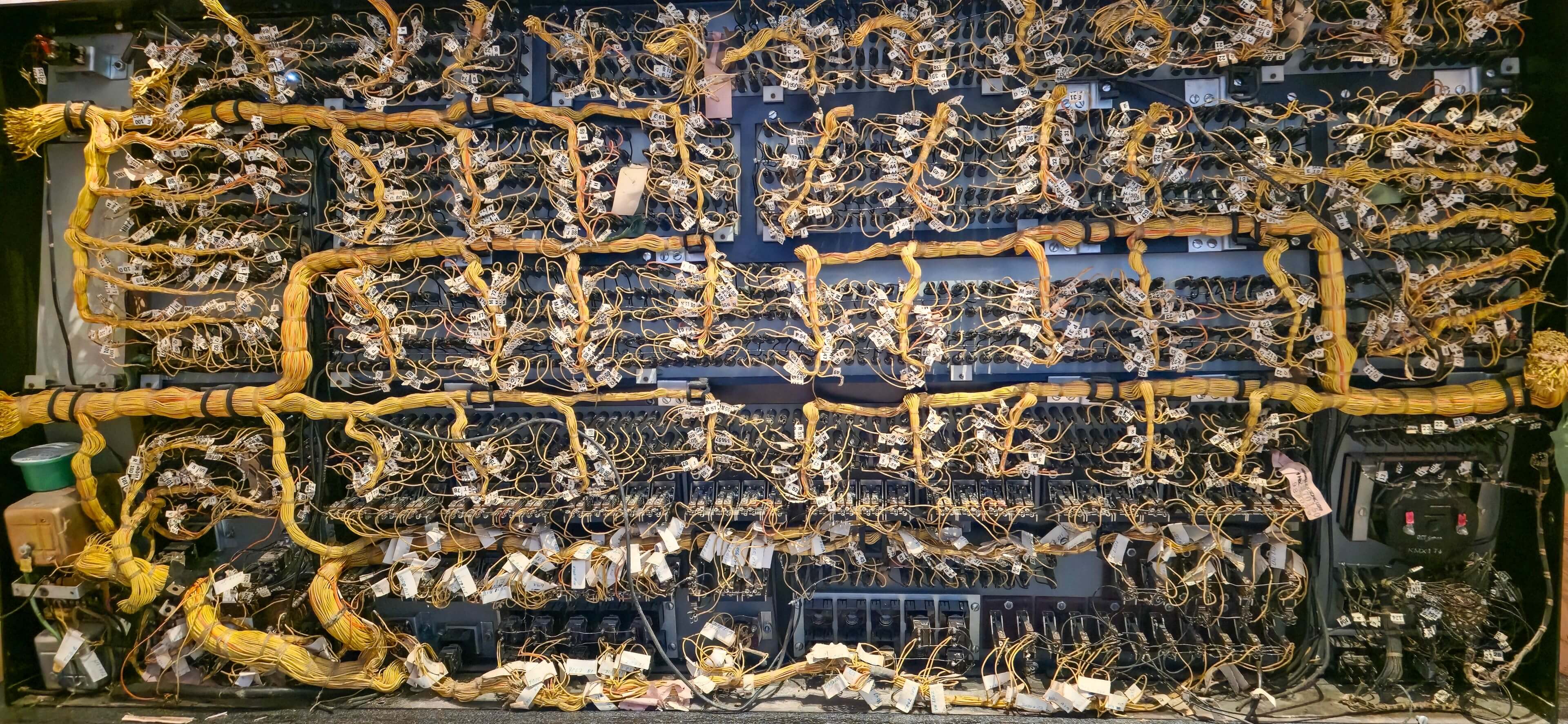 +
Gigantic IBM 360/75 console back side
+
Gigantic IBM 360/75 console back side
Which computer enthusiast could resist the magnificent control consoles of the old IBM 360 systems? Unfortunately, most IBM 360 computers were destroyed by IBM, and the few remaining ones were mostly plundered by scrap dealers for their precious metals. Only a few systems still exist. Opportunities to purchase one of these iconic control consoles are very rare. I was lucky enough to do so. And what's more, it was the gigantic IBM 360/75 console. What a beautiful monster!
Now I am only missing the IBM 360/90, IBM 360/91, IBM 360/195, IBM 360/155 and IBM 370/195 consoles.
IBM System/360 Consoles: The Command Centers of a Computing Revolution
The IBM System/360 series, introduced in the mid-1960s, was a groundbreaking family of mainframe computers that transformed the computing industry. Central to operating these machines were the consoles, user interfaces that allowed operators to control and monitor the system. The consoles for the Model 30, 40, 50, and 75 played a vital role in managing tasks and ensuring smooth operation.
Model 30 Console
The Model 30 was the entry-level machine in the System/360 lineup and one of the most widely used models. Its console was designed to be simple and functional, featuring switches, lights, and a typewriter-like keyboard. Operators could input commands, load programs, and check the system status through the console. Despite its modest appearance, the Model 30 console offered a reliable way to interact with the computer in business and academic environments.
Model 40 Console
The Model 40 console expanded on the features of the Model 30. It provided more control options and enhanced display capabilities, helping operators manage larger and more complex workloads. The console included status lights that gave real-time information about the computer’s internal operations, which was crucial for troubleshooting and performance monitoring.
Model 50 Console
The Model 50 was a mid-range System/360 computer with increased processing power and memory capacity. Its console reflected these advancements by offering improved input/output controls and expanded indicator panels. Operators could use the console to oversee multiple tasks, prioritize jobs, and interact with more sophisticated system functions. The Model 50 console helped businesses handle growing data processing demands efficiently.
Model 75 Console
At the high end of the System/360 family, the Model 75 was designed for the most demanding computing tasks, such as scientific research and large-scale enterprise operations. Its console was larger and more complex, with extensive control panels, indicator lights, and a sophisticated keyboard interface. The console allowed operators to monitor multiple processors, coordinate parallel tasks, and manage system resources in real time.
Significance of the System/360 Consoles
Together, the consoles of the IBM System/360 models 30, 40, 50, and 75 symbolized the human-machine interface during a pivotal era of computing. They provided the essential link between operators and powerful mainframe systems that shaped modern computing infrastructure. These consoles are now prized artifacts in museums, representing the blend of engineering, design, and user interaction that defined early mainframe computing.
Confidential contact
If you own or know of historically important computers, documentation, software, manuals, parts, photographs, provenance information or related artefacts, please contact me. Messages, photographs and provenance details are treated confidentially.