Cray supercomputers
Cray supercomputers and research
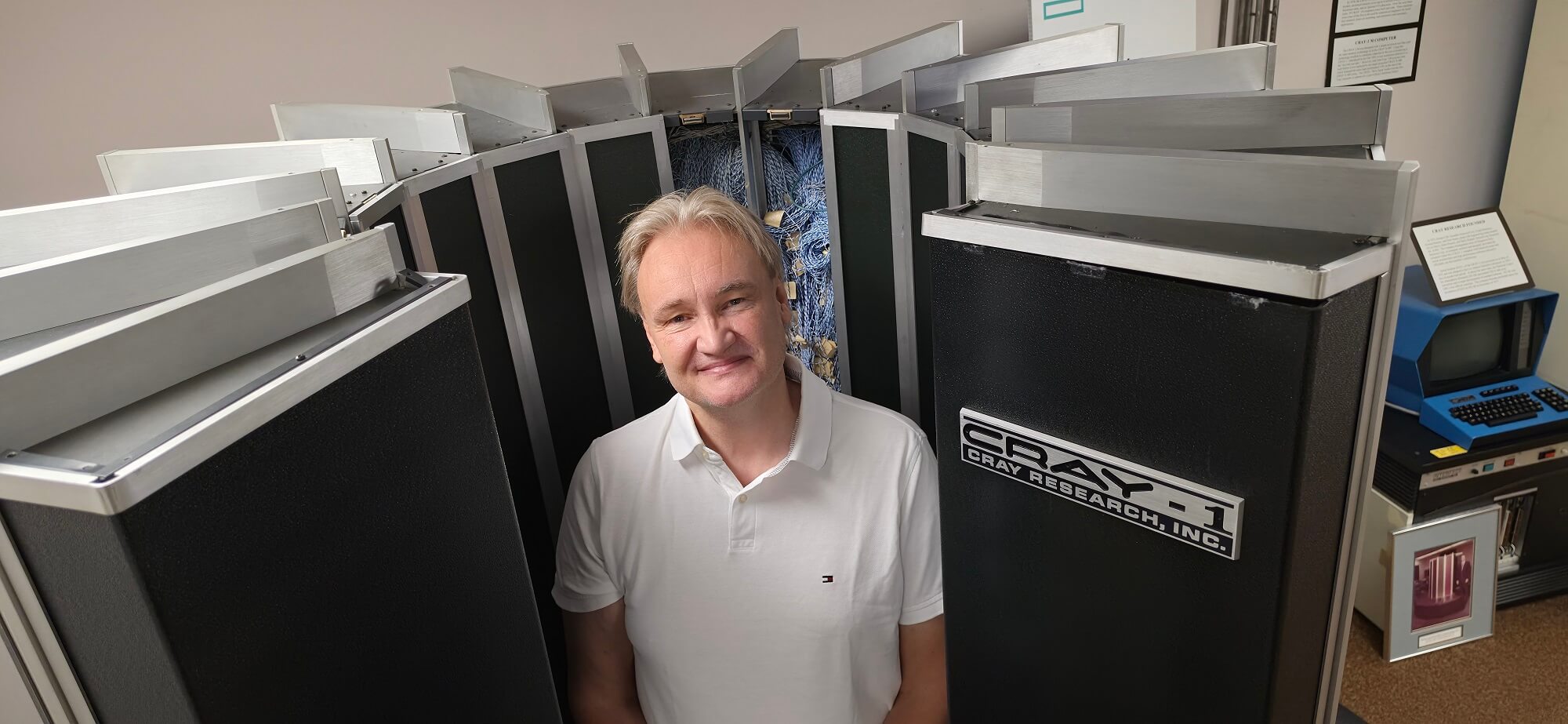
For 39 years, I held on to the dream of one day owning a CRAY-1. What once seemed impossible finally became reality in August 2025, when an original CRAY-1 entered my collection. As one of the most iconic and sought-after supercomputers in history, its arrival marks a milestone that every dedicated collector will immediately recognise and understand.
Cray-1
My CRAY-1S s/n 53
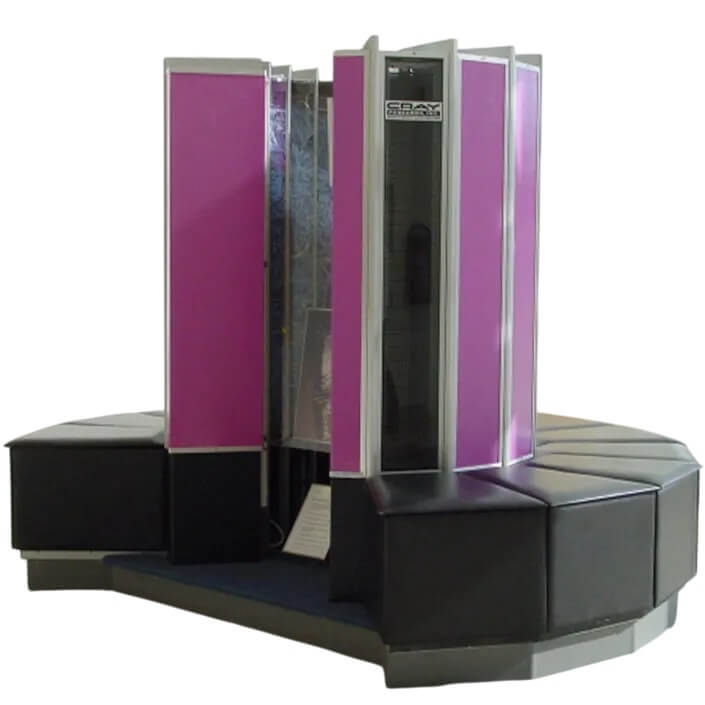 +
My CRAY-1S
+
My CRAY-1S
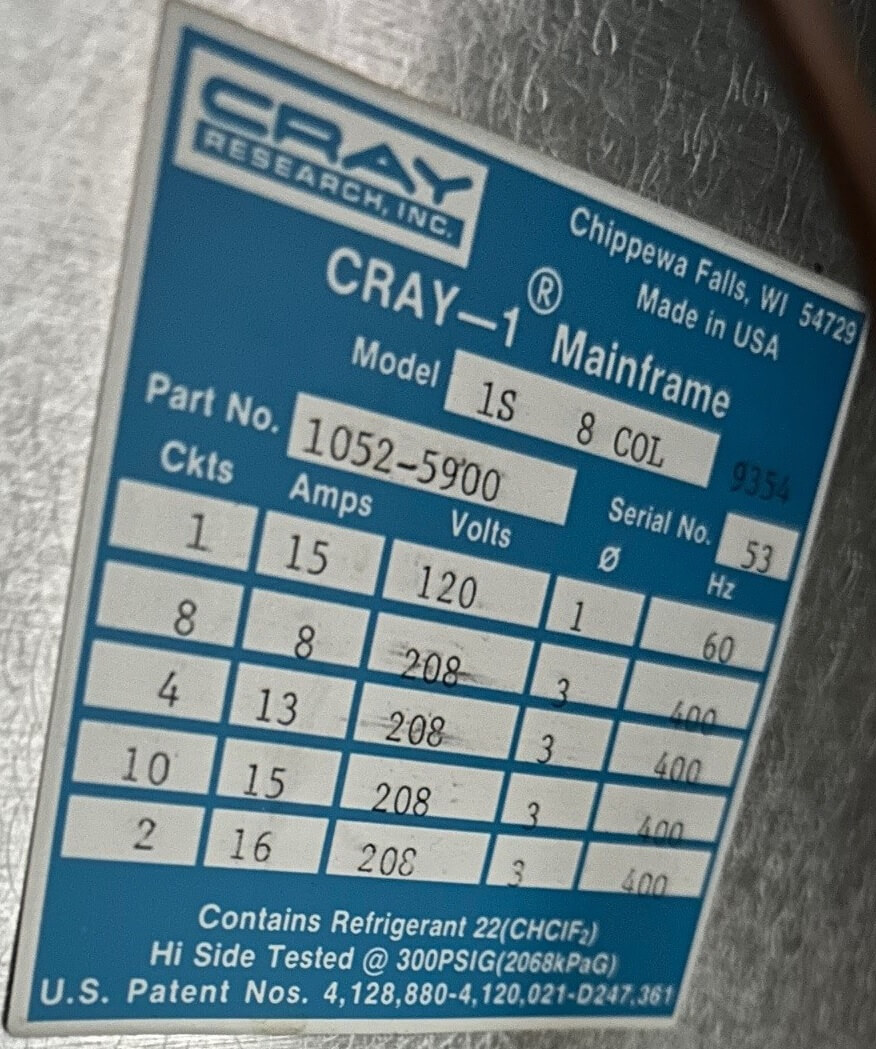 +
My CRAY-1S s/n 53
+
My CRAY-1S s/n 53
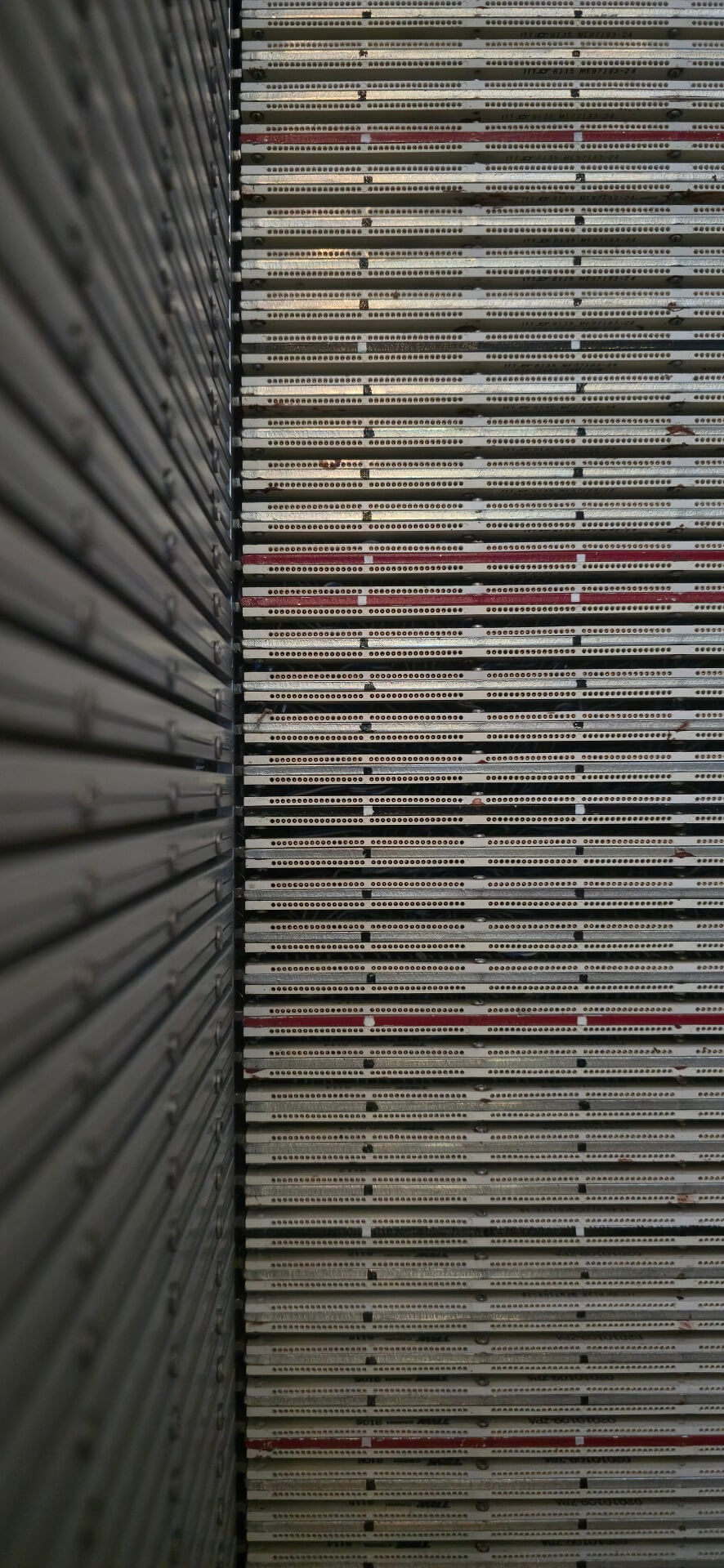 +
My CRAY-1S s/n 53
+
My CRAY-1S s/n 53
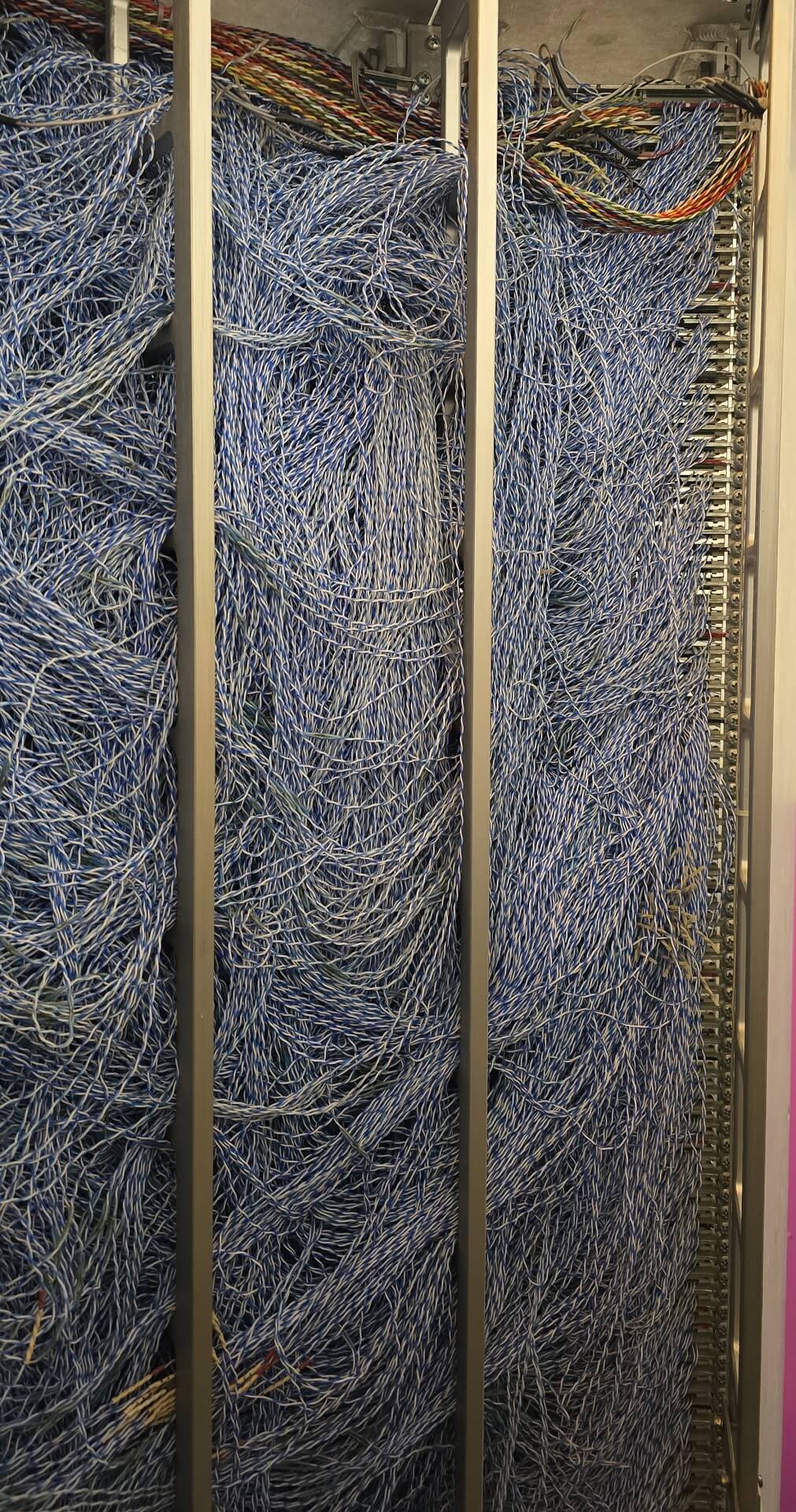 +
My CRAY-1S s/n 53
+
My CRAY-1S s/n 53
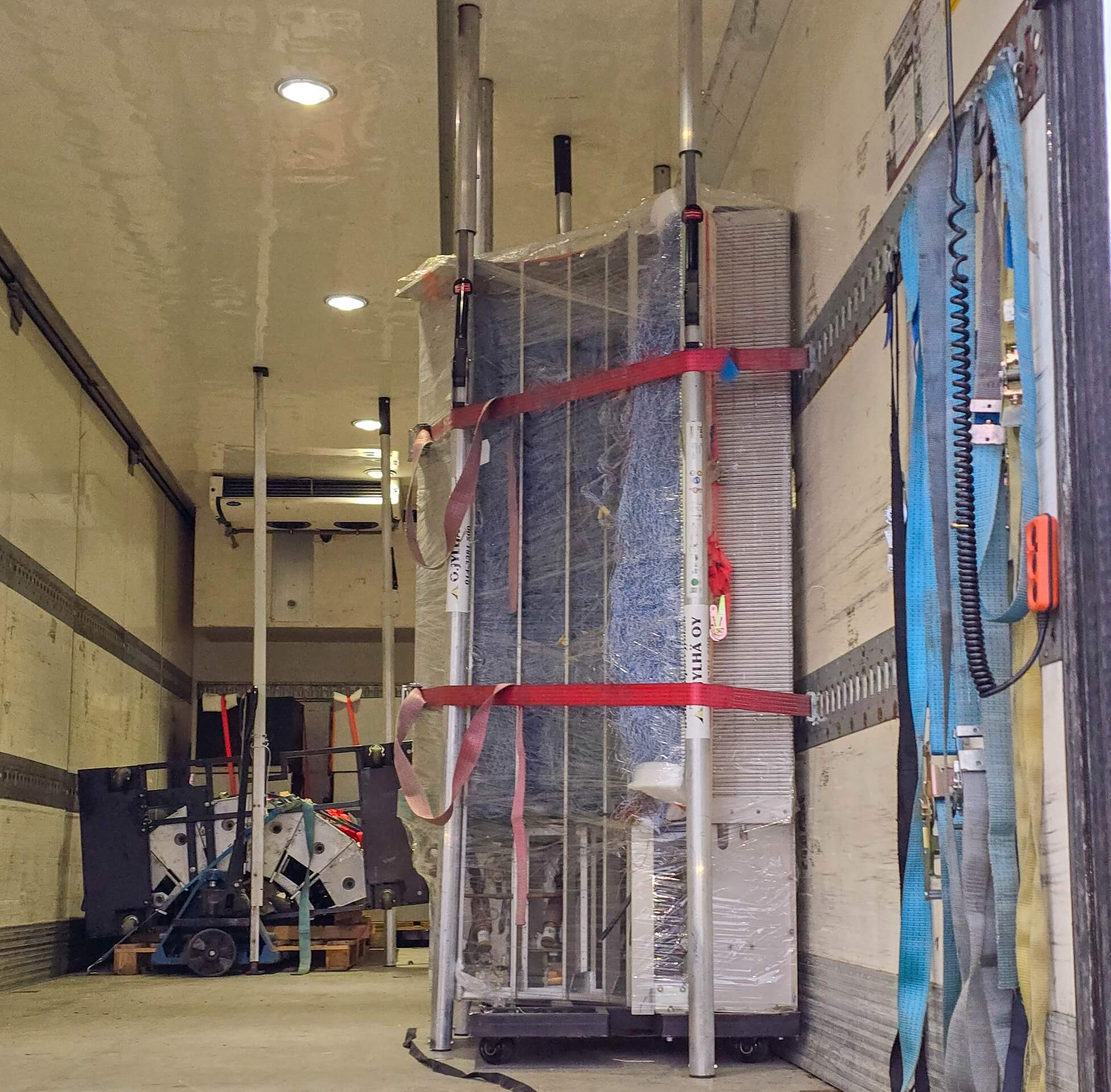 +
Arrival of my CRAY-1S s/n 53
+
Arrival of my CRAY-1S s/n 53
 +
Arrival of my CRAY-1S s/n 53
+
Arrival of my CRAY-1S s/n 53
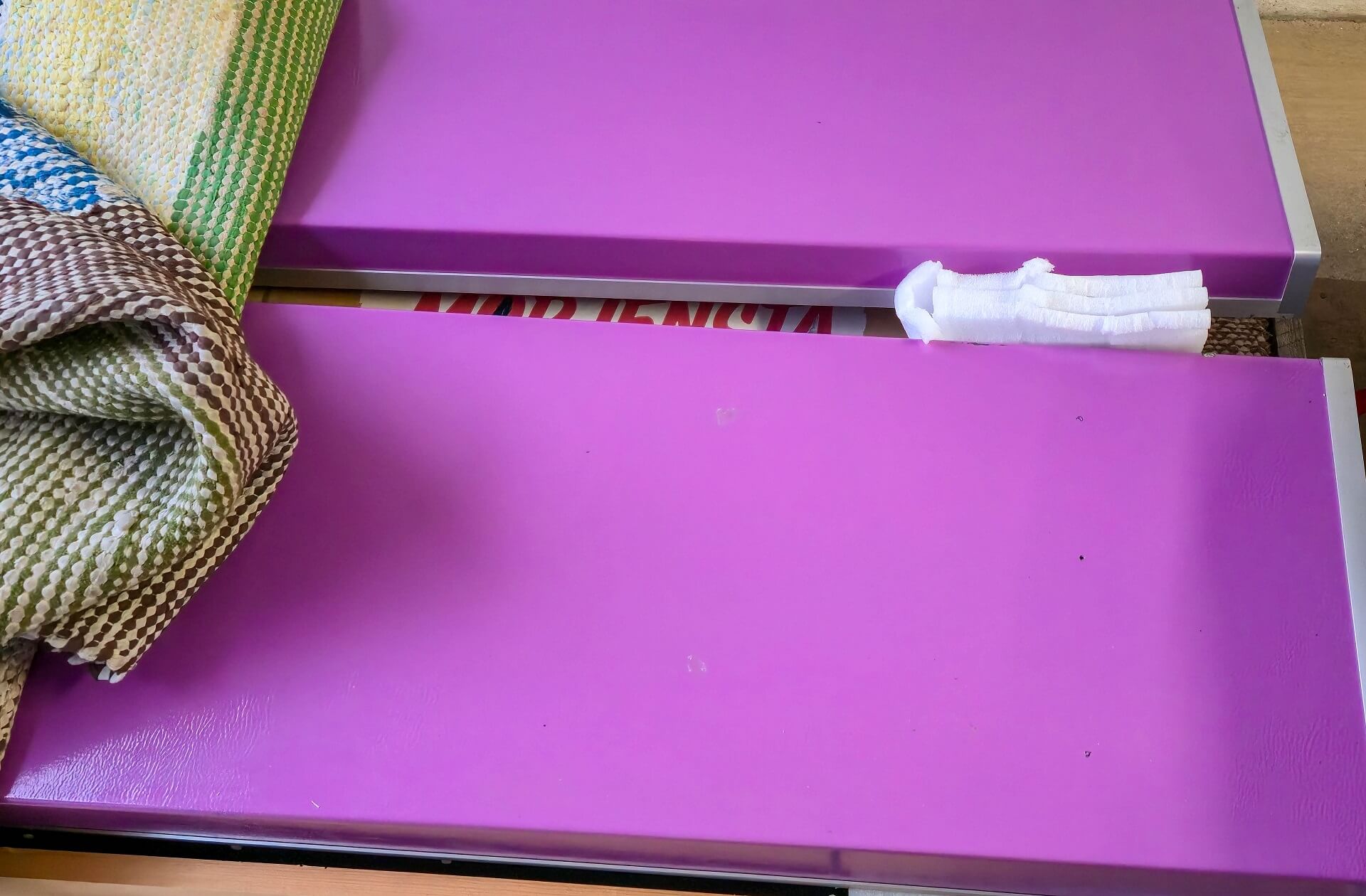 +
Arrival of my CRAY-1S s/n 53
+
Arrival of my CRAY-1S s/n 53
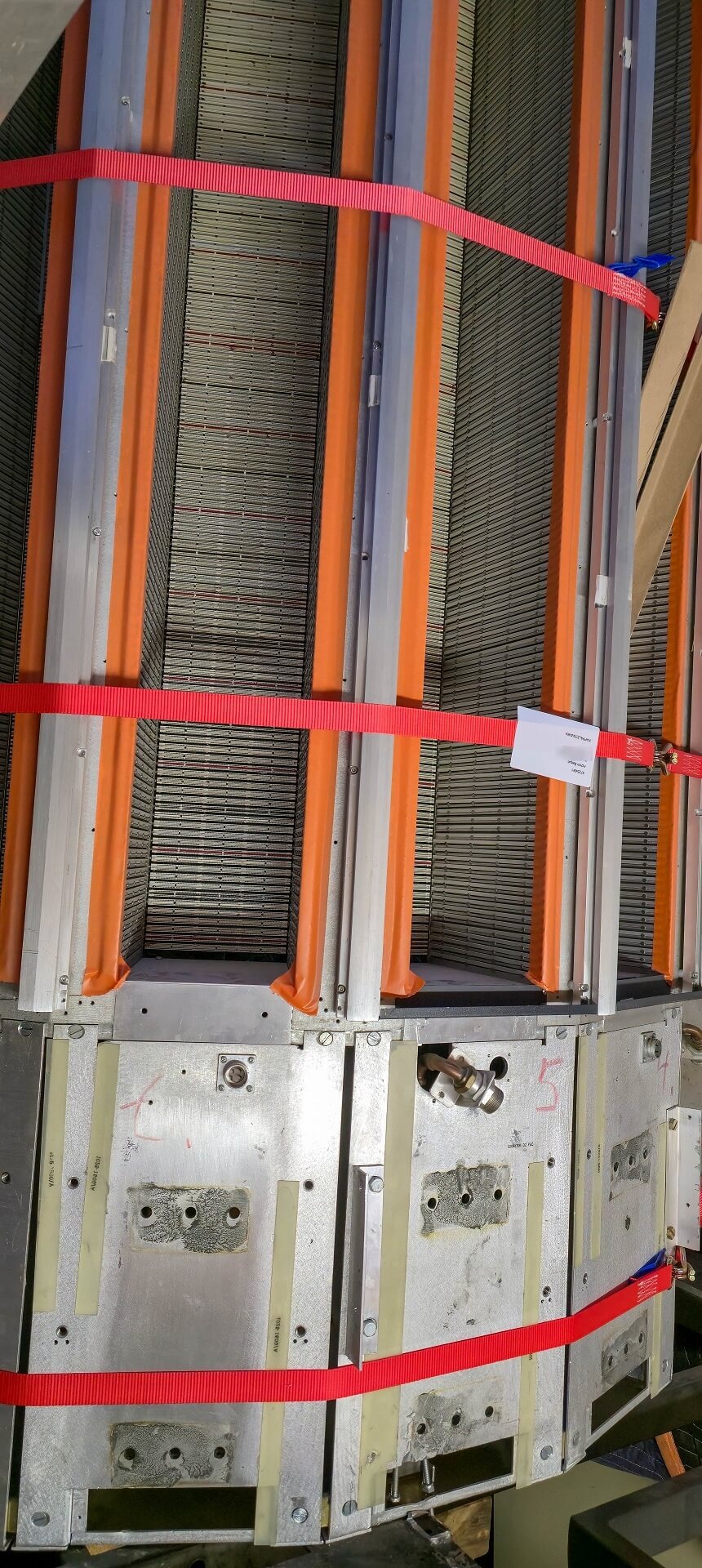 +
Arrival of my CRAY-1S s/n 53
+
Arrival of my CRAY-1S s/n 53
For computing history enthusiasts, just hearing the name CRAY-1 is enough to give goosebumps.
In August 2025, a lifelong dream finally became reality: I acquired an original CRAY-1, specifically a CRAY-1S. For several years, I had been in contact with representatives of a museum in Finland as well as collectors from across Scandinavia. At one point, I was even given a virtual tour of the museum, and there it was, a CRAY-1.
By 2024, the possibility of a purchase began to take shape. It no longer seemed entirely out of reach. In early July 2025, I flew to Finland to visit the museum in person and take a closer look at the machine. Beyond the technical fascination, it was a real pleasure to connect with fellow enthusiasts who share the same passion.
On August 18, 2025, we reached an agreement during our very first negotiation meeting. We talked for an hour, but the actual price negotiation took less than two minutes.
I still vividly remember talking about the CRAY-1 with my business partner in the 1980s. Its iconic design, historical significance, remarkable engineering, and legendary status made it completely irresistible. Back then, at only 17 years old, I said, "One day, I want to own a CRAY-1." It was the kind of thing a teenager might say, but for me, that dream never faded.
What were the chances that it would ever actually happen? Thirty-nine years later, it did.
This is my first supercomputer, and I am honoured to own the first masterpiece created by the genius Seymour Cray.
Quite a few people laughed when I searched for a CRAY-1 publicly, but that also happened when I publicly expressed my desire for an original Apple-1 in 2015. In that respect, the last laugh is on me. Only a few people have ever owned or currently own a CRAY-1.
The next step was finding Cray-1 boards to fill the cylinders and columns. Once again, everyone told me it would be nearly impossible and that I would have to buy them one by one at auctions.
It took some time, but I eventually managed to purchase 30 boards from one person and later, thanks to Tony Cole, another 150. With 180 boards in total (and many under Lucite), I now have enough to fill two columns and still have some left over for a large display of 36 boards arranged side by side.
At last, the Cray-1S arrived on September 25, 2025, just three days before what would have been Seymour Cray’s 100th birthday.
When it comes to special vintage computers, I always invest a great deal of time researching the history of that specific machine. Who was the first owner? What was it used for? Who were the subsequent owners? For my Cray-1S, I gathered everything the Finnish museum knew, and I also contacted the university in Finland, the first owner Royal Shell in the Netherlands, HPE/Cray, and the museum in Chippewa Falls.
In my initial outreach, both Shell and HPE/Cray showed very little interest in researching their archives or offer assistance. This was surprising, especially considering that Shell had once invested heavily in public relations around the fact that it was using a Cray supercomputer. Their archives should be full of material that could help preserve the story of this milestone in computing and in Shell’s research. Instead, Shell and HPE/Cray referred me to their press offices, which often means that no one actually wants to deal with the matter. I am convinced that Cray’s archives also hold a great deal of relevant material, unless it was discarded at some point. Unfortunately, not every company respects its own past or works to preserve its history.
Apple, for example, disposed of tons of early documentation some years ago. Fortunately, an employee informed Stanford University, which rescued the contents of those containers with Apple’s permission and archived important documents and items. A Stanford professor later granted me access to these materials.
The museum in Chippewa Falls offered to search and ask around. Fingers crossed.
In an article about my Cray, the name of an engineer was mentioned who had installed the Cray-1S at Royal Shell. I managed to track him down, and he still remembered that time very well. He kindly answered my countless questions as best he could.
Now I can only hope that I will still be able to obtain some information from the archives of Royal Shell and HPE/Cray.
Seymour Cray was a genius, a visionary, and a man of quiet demeanour. Many figures celebrated in IT today were little more than flamboyant showmen, repackaging the ideas of others as their own while contributing relatively little themselves. Seymour Cray, by contrast, was Cray Research. Its vision, its solutions and its achievements were his. He was a true pioneer.
During his lifetime, Cray enjoyed an almost mythical reputation. He was referred to as “the Albert Einstein of supercomputing,” “the Thomas Edison of supercomputing,” and even “the Evel Knievel of supercomputing.” The admiration he commanded among engineers and professionals was boundless. When he spoke, the room would fall silent as everyone listened intently.
On one occasion, Cray delivered a lecture to programmers at the National Center for Atmospheric Research and invited questions afterward. No one raised a hand. When Cray left, the head of the center asked the programmers why no one had spoken up. One replied, “How do you talk to God?”.
Few individuals have ever inspired such reverence. Above all, he inspired it through genuine innovation and revolutionary ideas, not through eloquent speeches, staged and rehearsed appearances, or salesmanship.
Cray consistently made the impossible possible. The professional world doubted his visions, until they suddenly appeared, fully realized and functioning flawlessly. His supercomputers dominated the market for decades.
Seymour Cray deserves far greater recognition and appreciation for his profound contributions to the evolution of information technology.
Following in the Footsteps of Seymour Cray and my Cray-1S #53
So far, my attempts to obtain information through HP, the current owner of Cray, and Royal Dutch Shell, the first owner of my Cray, have been unsuccessful.
Fortunately, there was a personnel change at the museum in Chippewa Falls in 2026, and the digitisation of the archive is now being actively pursued. I was able to look through several boxes on site and found, among other things, some information about the Cray-1S. The exhibition displays the famous Cray-1 S/N 1, along with many other Cray milestones, including a Cray-2. The other exhibitions on the industrial history of Chippewa Falls are also very interesting.
Seymour Cray's house
My visit of Seymour Cray's house in Hallie Chippewa County
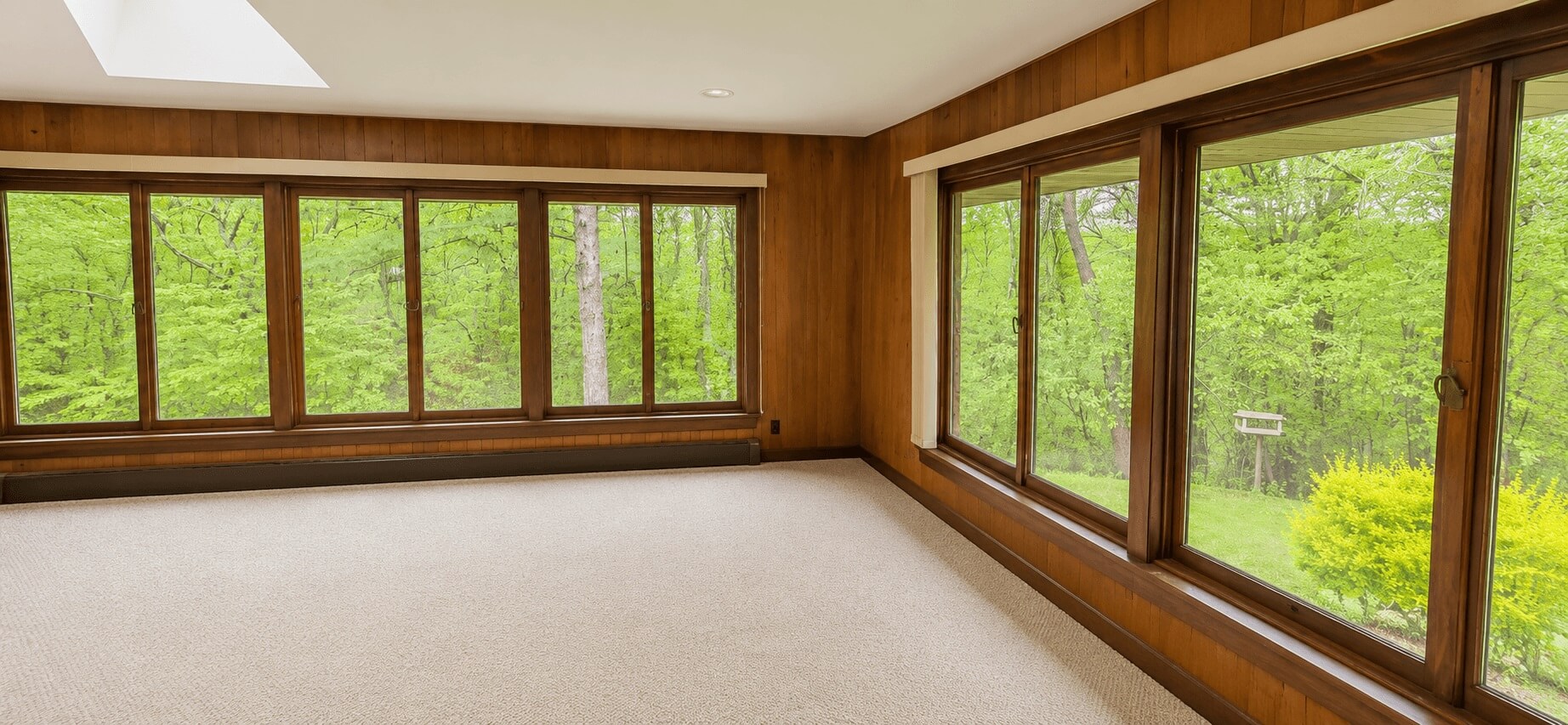

Using various books and Google Maps, I searched for Seymour Cray’s house and eventually focused on one particular location. No information was available online or at the Chippewa museum. Strangely, no Cray building is listed on the National Register, nor is there a recognised historic site comparable to the HP Garage or Steve Jobs’ childhood home. Apart from the museum, the city itself does not acknowledge this remarkable history in any visible way, for reasons I cannot understand. There are no signs, no markers and no “Welcome to the birthplace of Cray supercomputers”. There is a Seymour Cray Sr Road, but that is named after Cray’s father, who was a public official.
During a visit to Hallie and Chippewa Falls, I went to the site myself, and my assumption proved correct. By chance, the very kind current owner was mowing the lawn. After a long conversation, he invited me into his house and explicitly allowed me to take photographs. To protect his privacy, I used AI to remove all furniture from the images, and I am also not publishing any exterior photographs. I also found the former Hallie Lab, which Cray could reach by walking across his own property.
The lower level has the often-mentioned special ceiling, which was designed to protect the basement in the event of a nuclear attack. Above the steel structure is a thick concrete ceiling.
The shelter built by Cray is located on the lower level. There are no blast doors or similar protective doors. Cray chose not to install them because, as he reasoned, radiation does not travel around corners. The first room contains a large electrical panel.
Here are more pictures.
Confidential contact
If you own or know of a historically important computer, documentation, software, manuals, parts, photographs, provenance information or related artefacts, please contact me. Messages, photographs and provenance details are treated confidentially.